Back to my story

How my team turns specs into working hardware.

I built the core engineering environment with AI. Here are the tools colleagues used, the work they carried out, and the measurements and feedback behind the results.

Technical record

What changed for engineers

D0 = the day the first chip arrived.

  • An analog designer joined the bring-up work.

    When the chips arrived, an analog designer used Claude and prepared bench tools to debug I²C communication, submit a code change and program active firmware.

    See the bring-up work

  • An engineer adapted the firmware and GUI for tactile testing.

    A colleague used his own Claude environment to modify the tools for his experiment, then kept the setup for future work.

    See how the tools were adapted

  • Calibration 3× faster per point.

    Keeping the serial connection open reduced time per point from 5.7 to 1.84 seconds—about 3.1× faster for this workflow. A follow-up report recorded 4,600 points with zero errors.

    The calibration workflow reduces test time per point from 5.7 to 1.84 seconds.

    See the calibration results

The infrastructure I built with AI

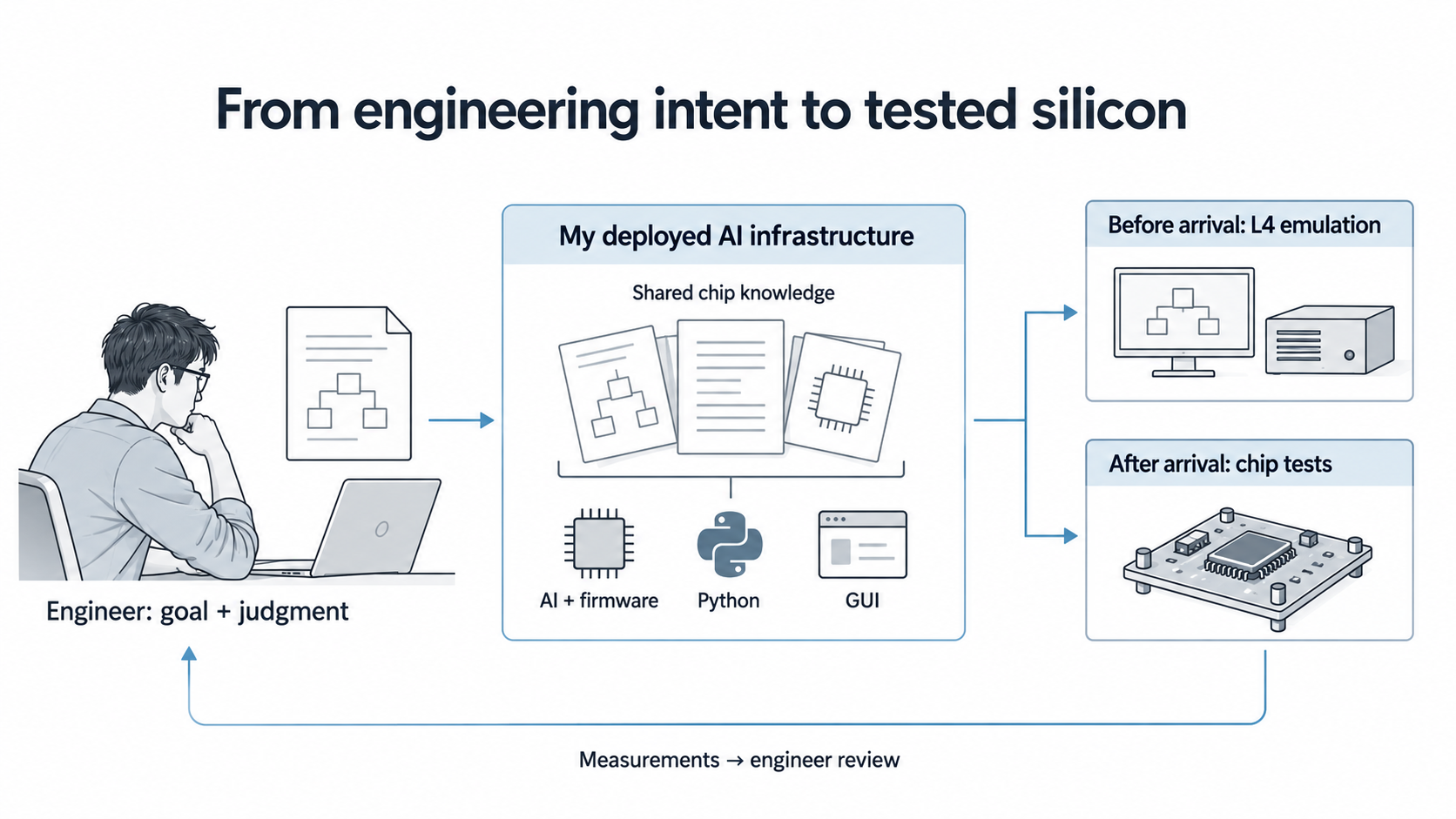
Shared chip knowledge gives the agent context. Connected firmware, APIs and bench tools let it act. Engineers use the same environment to rehearse before silicon arrives and test the physical chip afterward.

Engineering intent and shared chip knowledge feed a reusable firmware, Python and GUI toolchain, connected to pre-silicon emulation and real-chip tests, with measurements returned to the engineer.
Architecture and toolchain · Open full size ↗
  1. Describe the experiment

    The engineer supplies the goal, hardware setup and acceptance criteria.

  2. Read the chip context

    The agent retrieves chip facts and register knowledge from the shared KB.

  3. Build and operate the tools

    Use chip firmware, hardware bench firmware, Python APIs and GUIs. Rehearse against the dev-board emulator before silicon arrives.

  4. Run on the chip

    Flash firmware, read registers, collect measurements and run sweeps through the bench interfaces.

  5. Review and reuse

    Review the results and retain the code, tests and handover notes for the next experiment.

The engineer
Engineers define the experiment, connect the board and judge the result.

The AI workflow
AI writes code, operates the connected tools, analyzes data and records the work.

I build and maintain the infrastructure with AI. Engineers define the experiment, set up the hardware and judge the results. The software tools are ready when they need them.

Four examples of the infrastructure at work

ASIC bring-up · pre-silicon through the first weeks of bring-up

Prepare the software before silicon arrives

ResultEngineers rehearsed the software workflow before silicon arrived.

The goal
Exercise the firmware and test tools before the physical chip is available.
How AI helped
I used AI to build the dev-board emulator, which hosts real chip firmware. This let us exercise the hardware bench firmware, Python APIs, GUI and SRAM interface ahead of delivery.
The result
The D-7 GUI capture shows an emulation run completing auto-cal in 66.0 seconds over 1,483 frames, before the chips arrived on D0.

Engineers could rehearse the software workflow before moving to physical silicon.
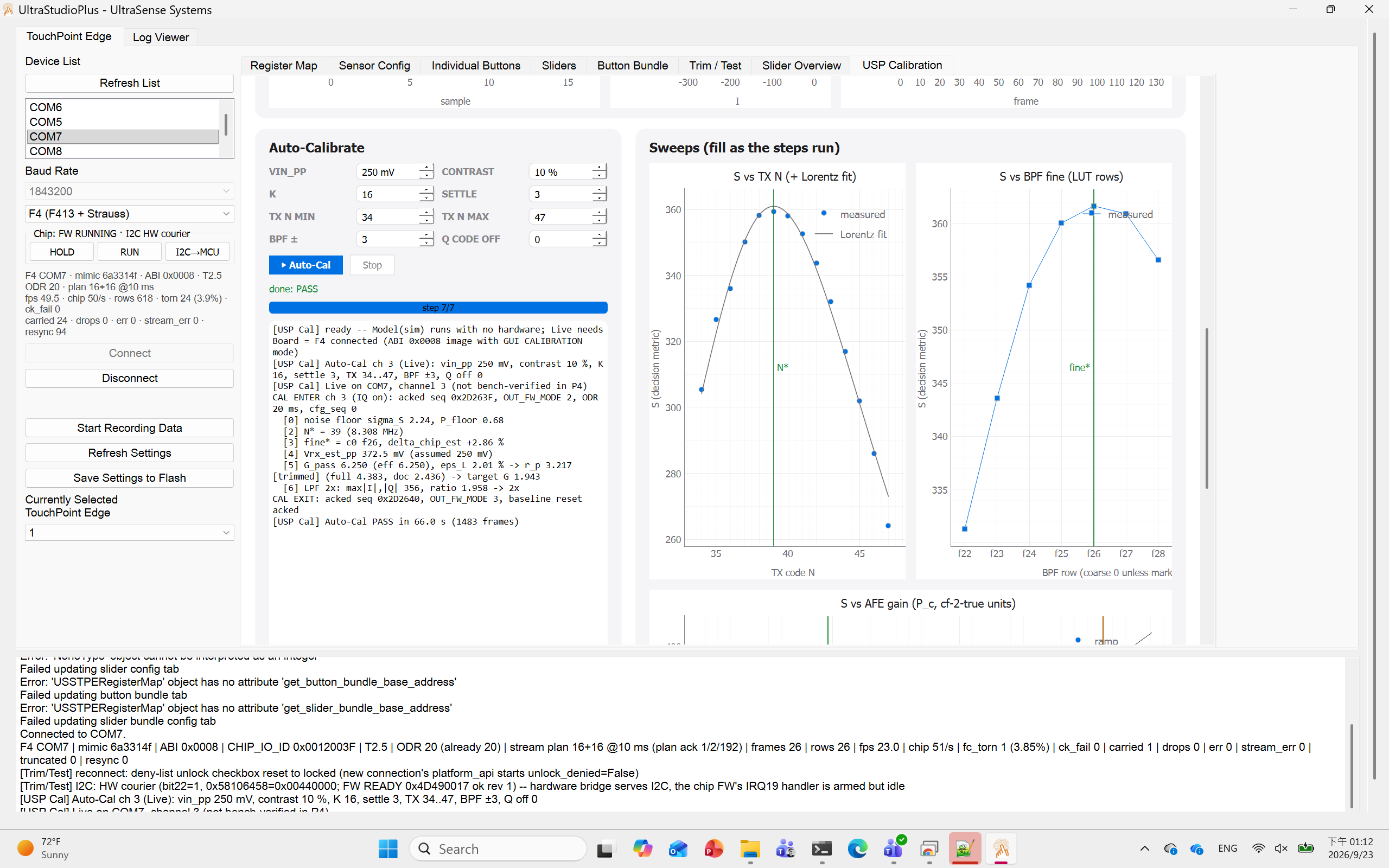
Pre-silicon software and calibration workflow.
Explore the workflow and annotated evidence
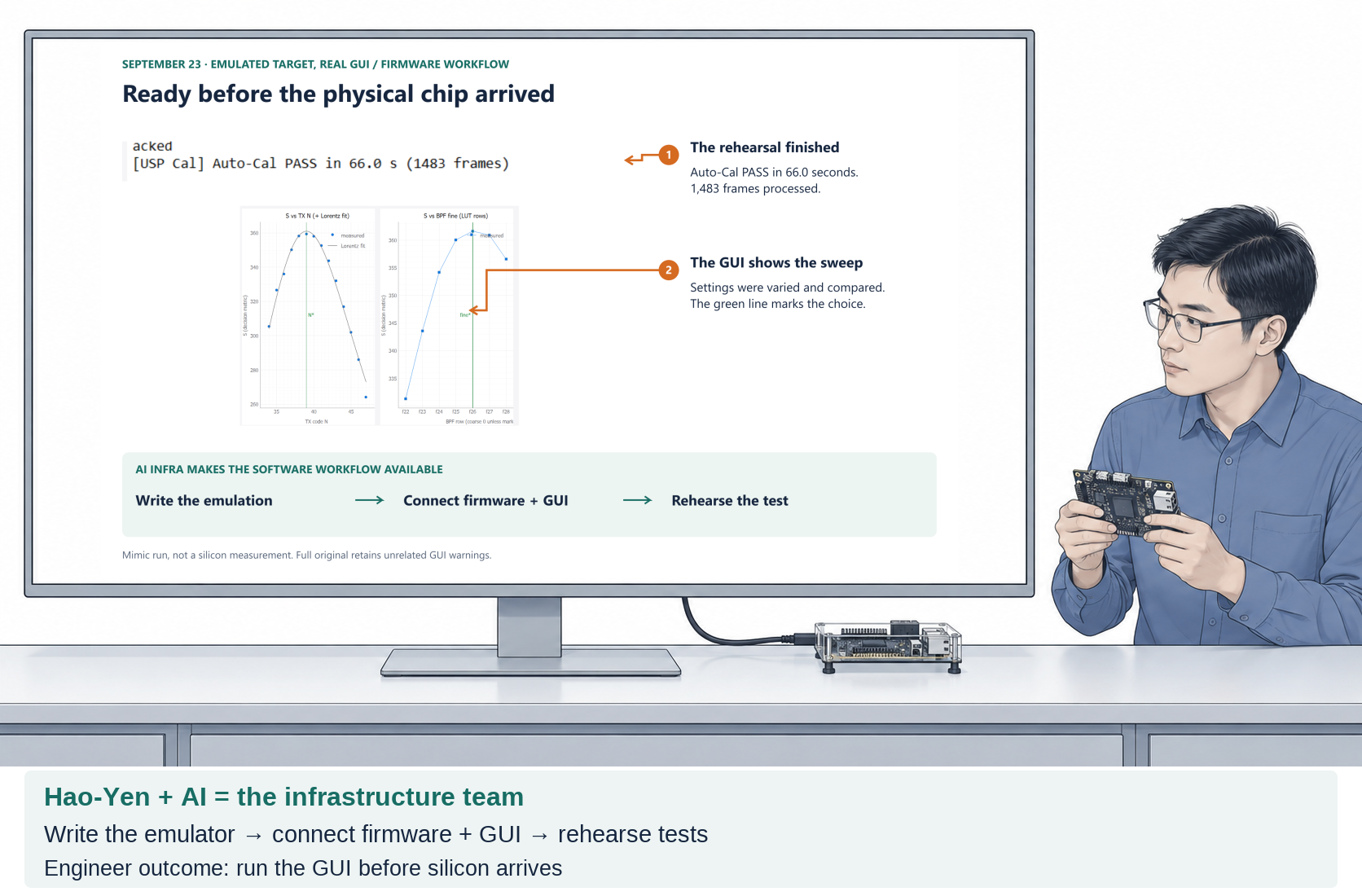
Recorded evidence and enlarged annotations. Engineer outcome: run the GUI before silicon arrives. Hao-Yen + AI: Write the emulator → connect firmware + GUI → rehearse tests
Recorded evidence with result explanations
Enlarged excerpts with annotations. Open annotated view ↗

Run firmware on the day the chip arrives

ResultAn analog designer loaded active firmware on chip arrival day.

The goal
Establish chip communication and load active firmware.
How AI helped
An analog designer used Claude and the prepared bench tools to resolve I²C communication issues and program the chip.
The result
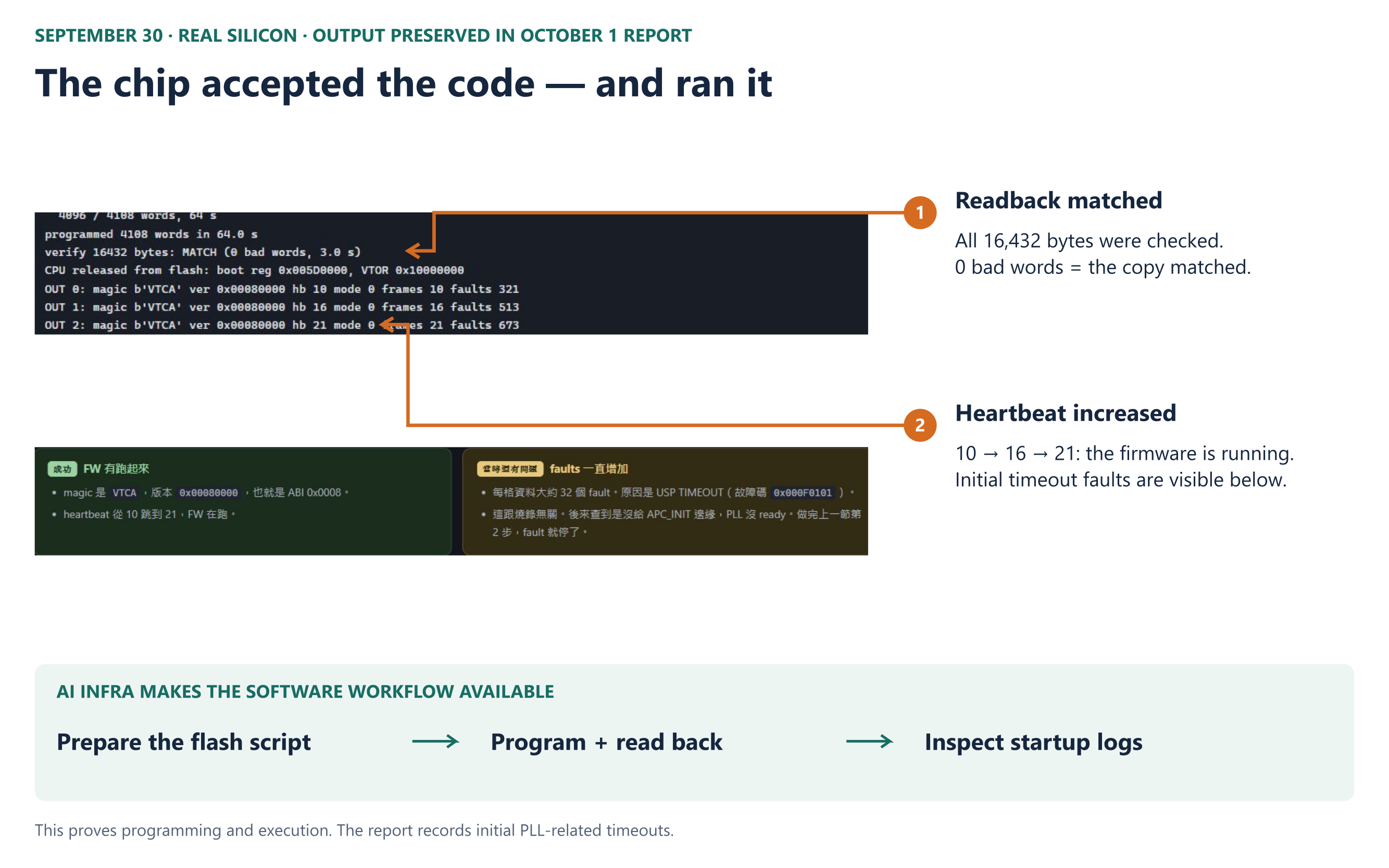
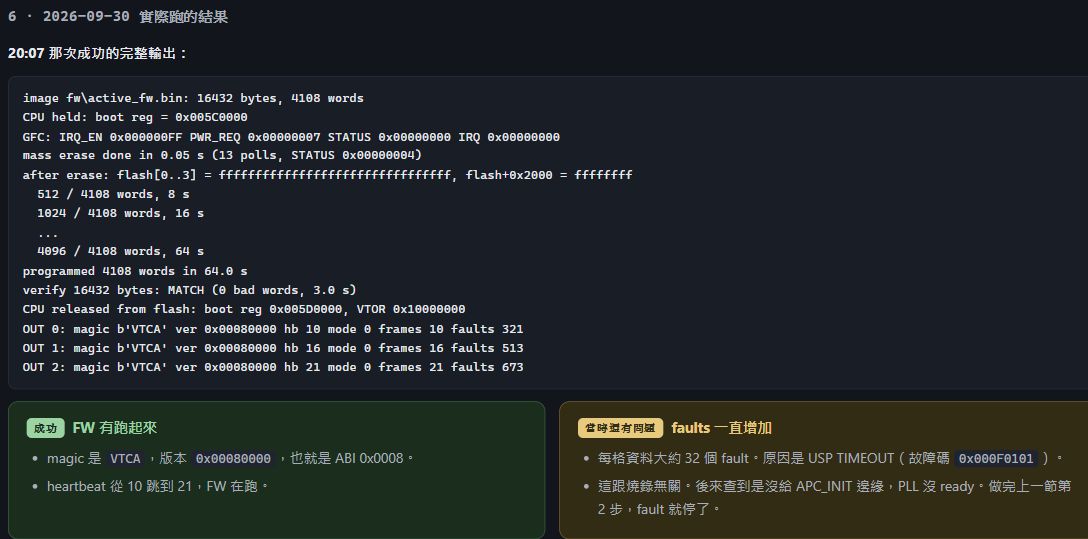
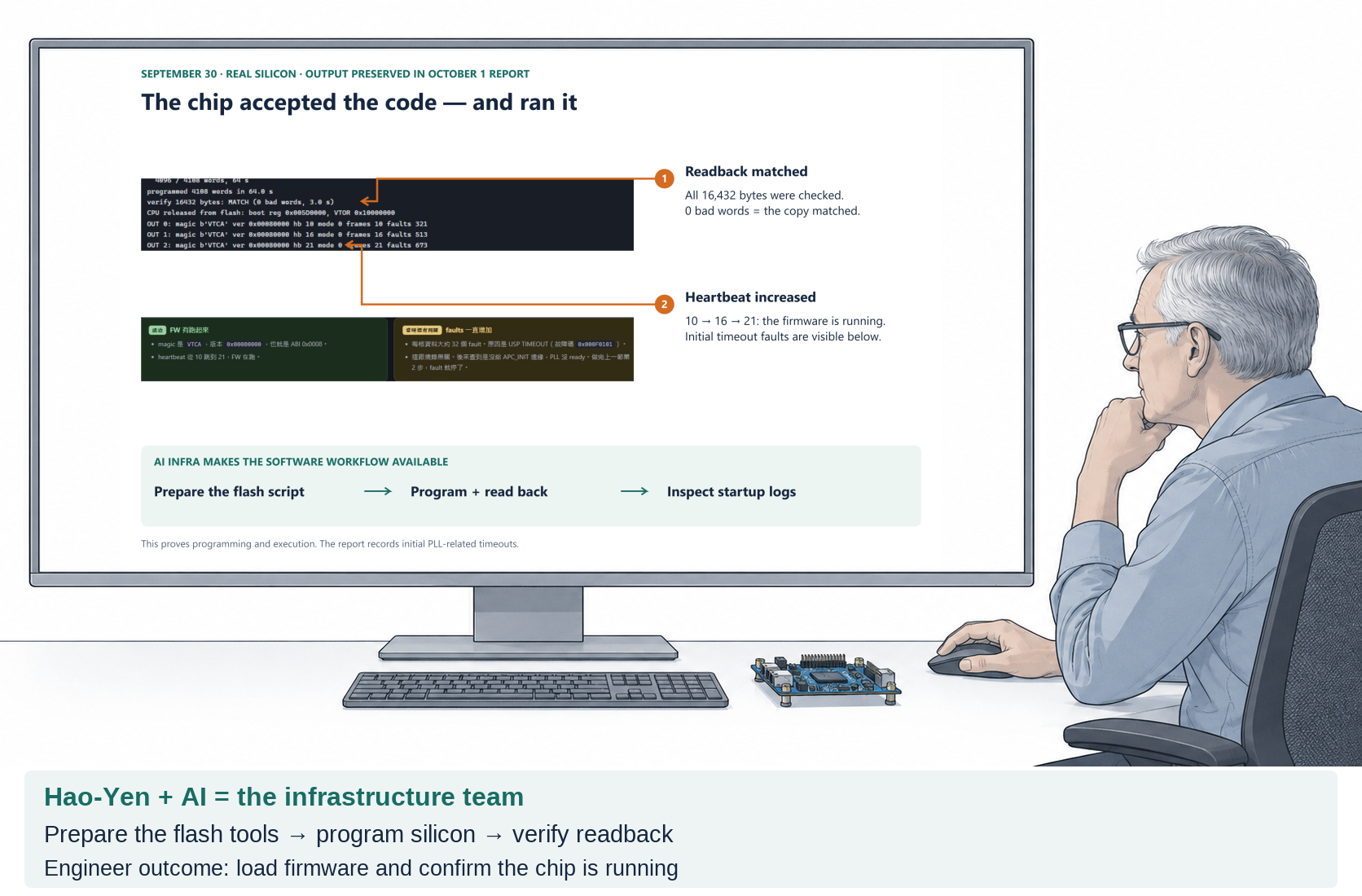
The team reported I²C communication, an oscillator readout and active firmware running on the day the QFN parts arrived.

The prepared tools let an analog designer carry out software bring-up at the bench.

Arrival-day firmware readback and advancing heartbeat.
Day one: firmware programmed and running.
Explore the workflow and annotated evidence
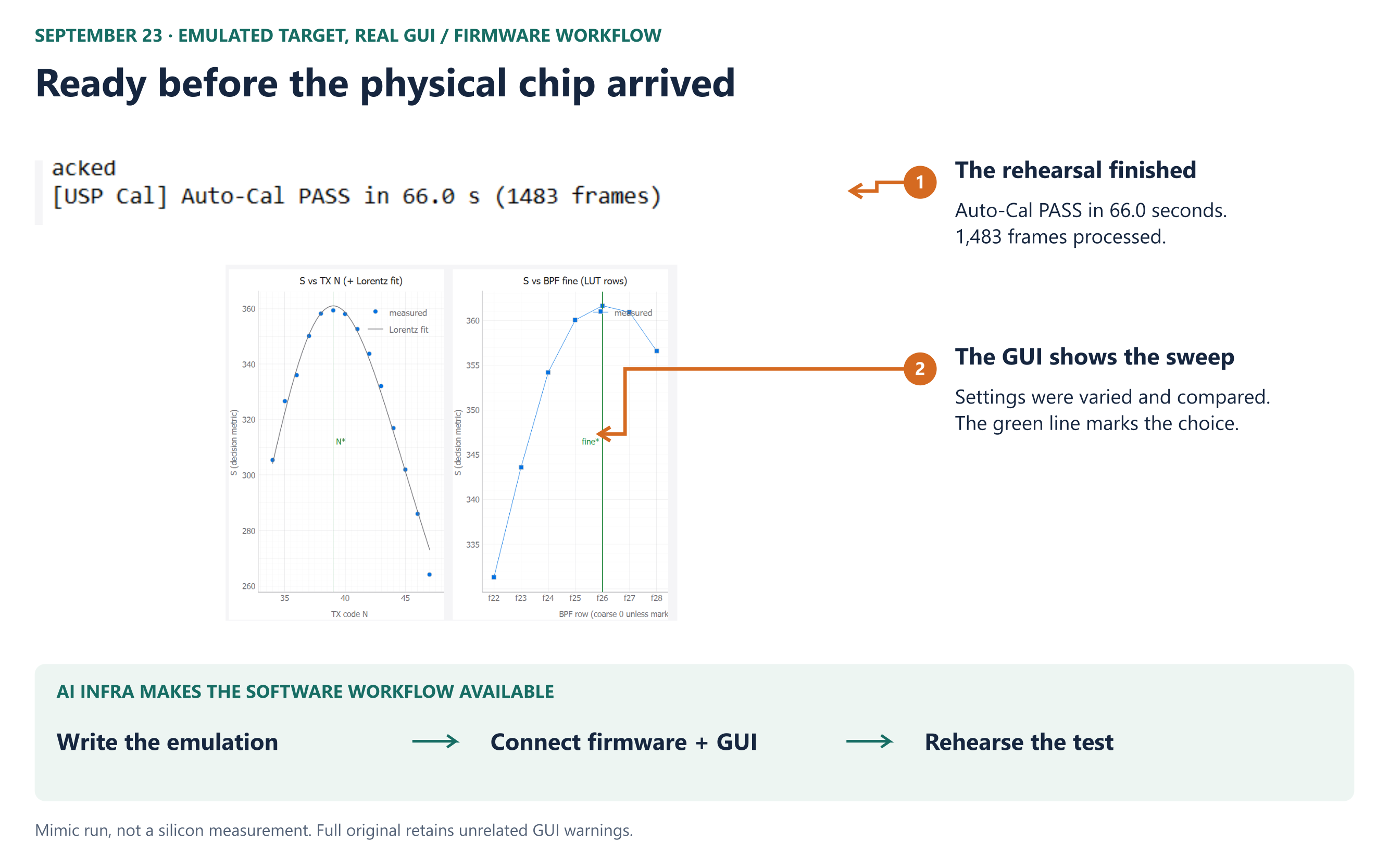
Recorded evidence and enlarged annotations. Engineer outcome: load firmware and confirm the chip is running. Hao-Yen + AI: Prepare the flash tools → program silicon → verify readback
Recorded evidence with result explanations
Enlarged excerpts with annotations. Open annotated view ↗

Turn press measurements into an algorithm comparison

ResultA recorded press session became a reproducible algorithm comparison.

The goal
Compare how well three methods separate a finger press from measurement noise.
How AI helped
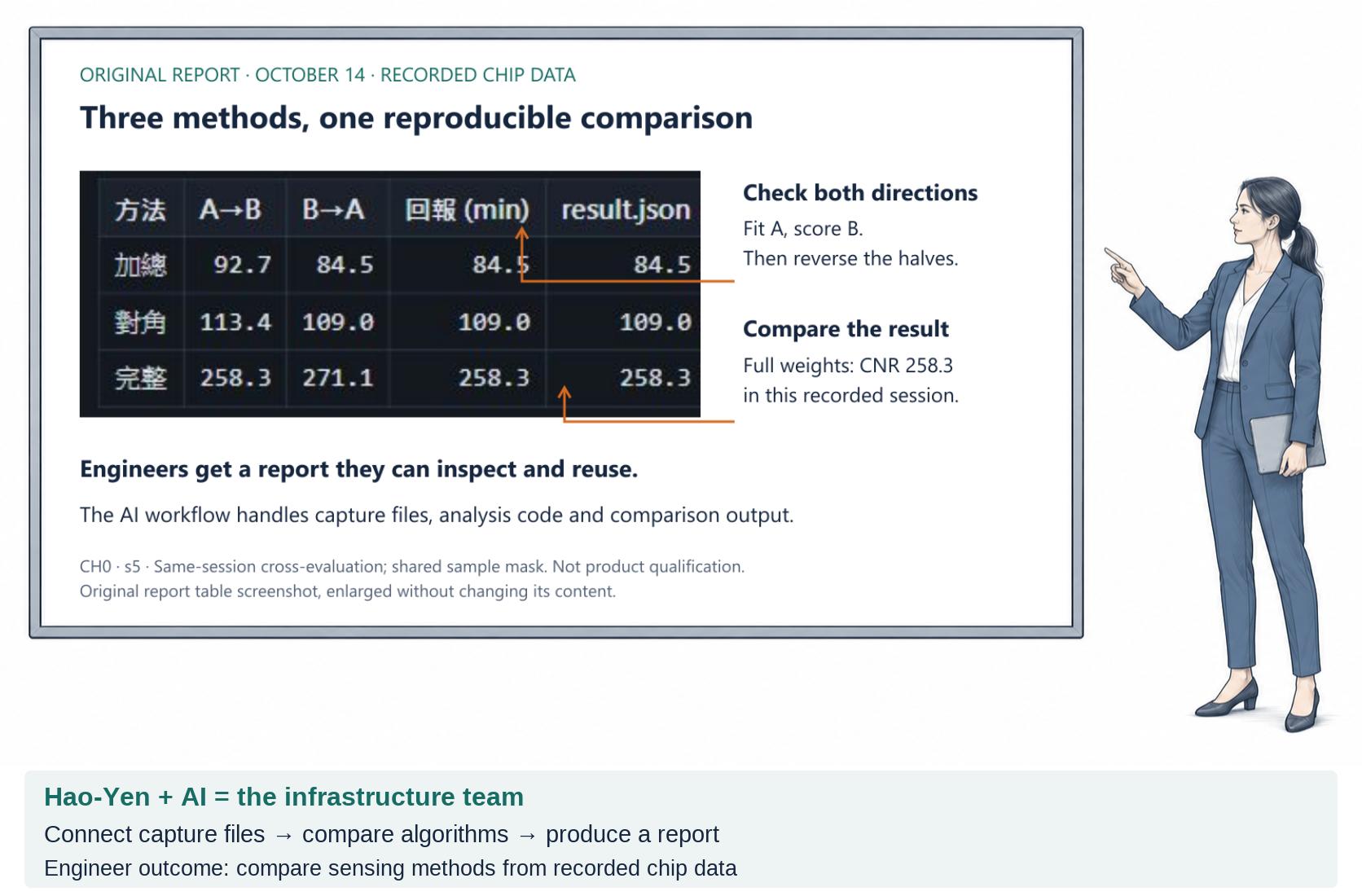
The environment connects chip context, recorded captures and analysis code. The report compares equal-sum, diagonal-weight and full-weight methods, fitting on one half of the session and scoring on the other.
The result
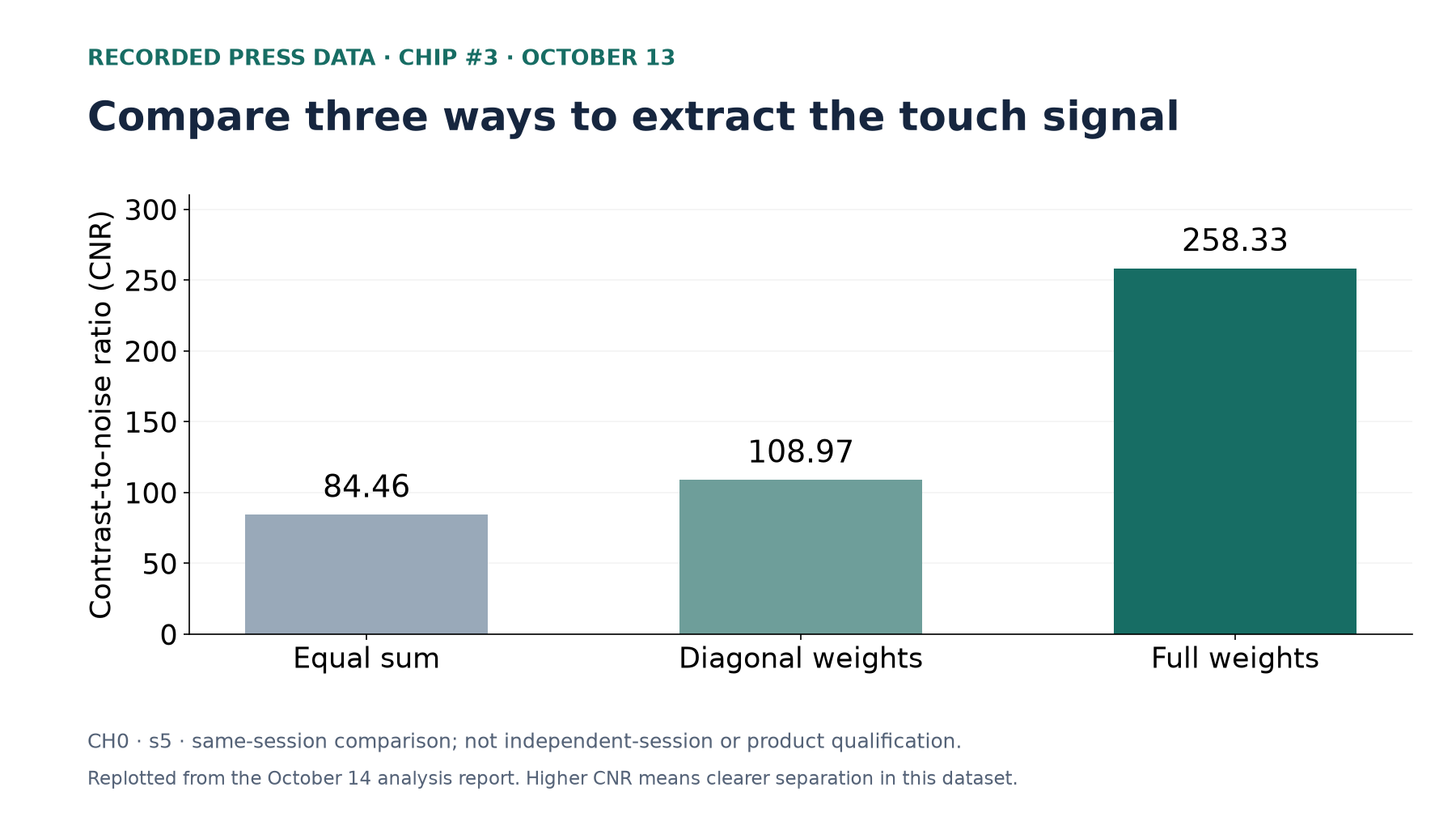
For chip #3, CH0 at s5, the reported CNR values are 84.46, 108.97 and 258.33. The comparison gives engineers a reproducible basis for choosing the next experiment.

Engineers can investigate a sensing question with analysis code and a report they can inspect and reuse.

Chart replotted from the D+14 analysis report: CH0 s5 CNR 84.46, 108.97 and 258.33.
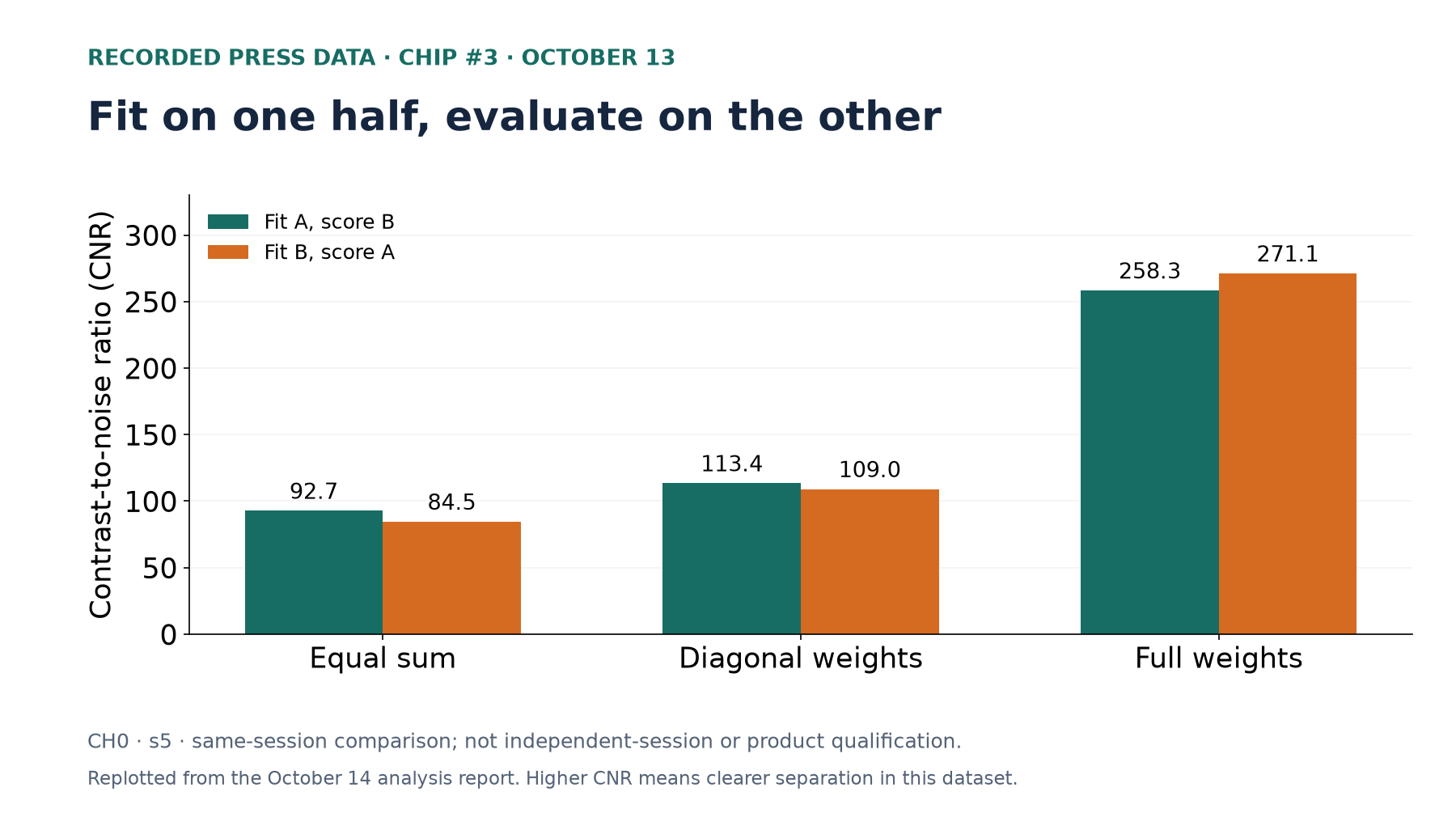
The D+13 chip #3, CH0, s5 comparison evaluates signal extraction in both directions across two halves of the captured press data. Open supporting figure ↗
Explore the workflow and annotated evidence
Recorded evidence and enlarged annotations. Engineer outcome: compare sensing methods from recorded chip data. Hao-Yen + AI: Connect capture files → compare algorithms → produce a report
Recorded evidence with result explanations
Two evaluation directions from the same recorded session. This view explains how the comparison was checked. Open annotated view ↗

Make calibration a repeatable chip test

ResultThe reported calibration workflow fell from 5.7 to 1.84 seconds per point.

The goal
Run automatic calibration across channels 0–7 and evaluate speed and errors.
How AI helped
Connected firmware and host tools let the team run calibration, collect data and compare settings in one environment.
The result
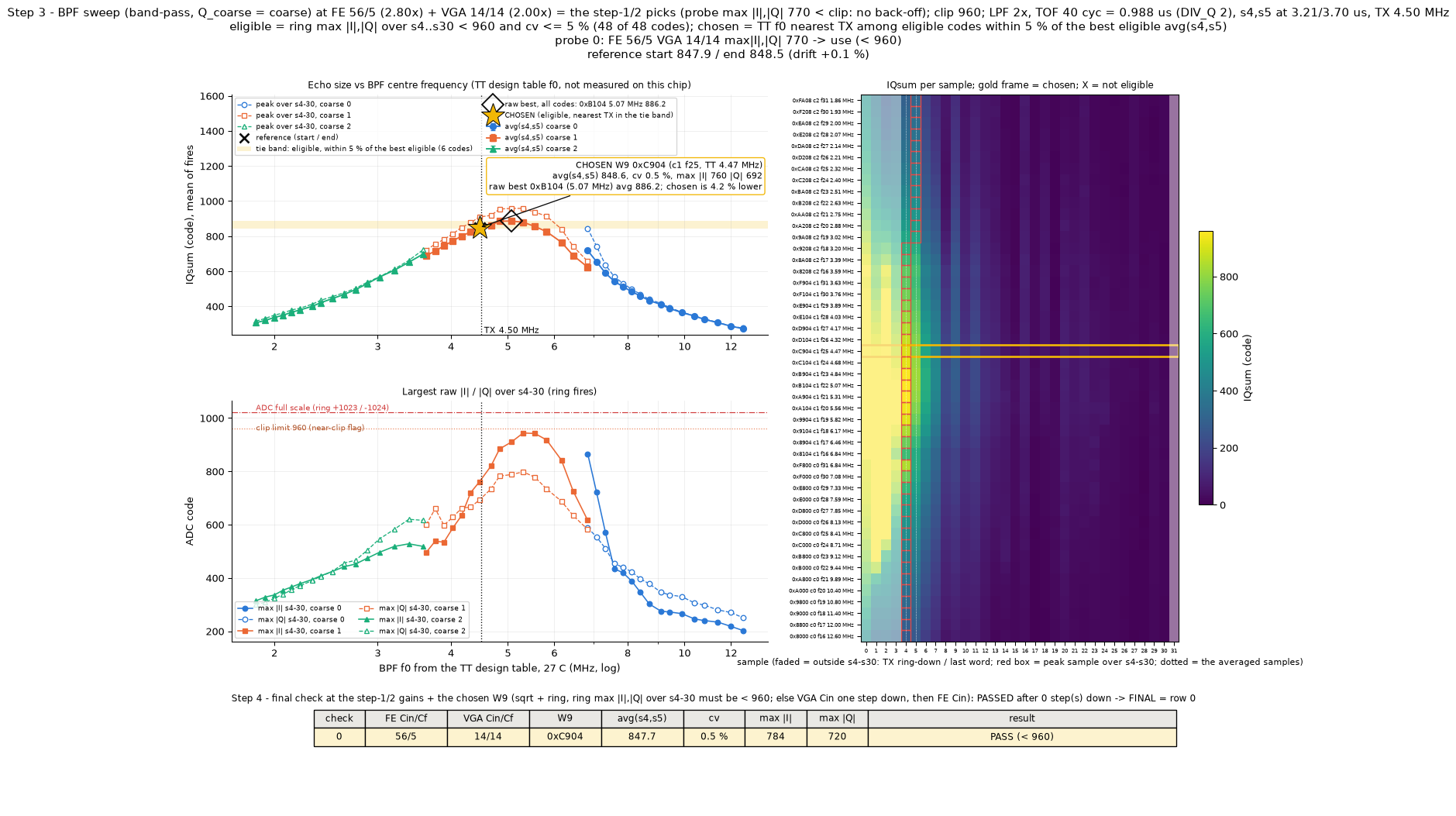
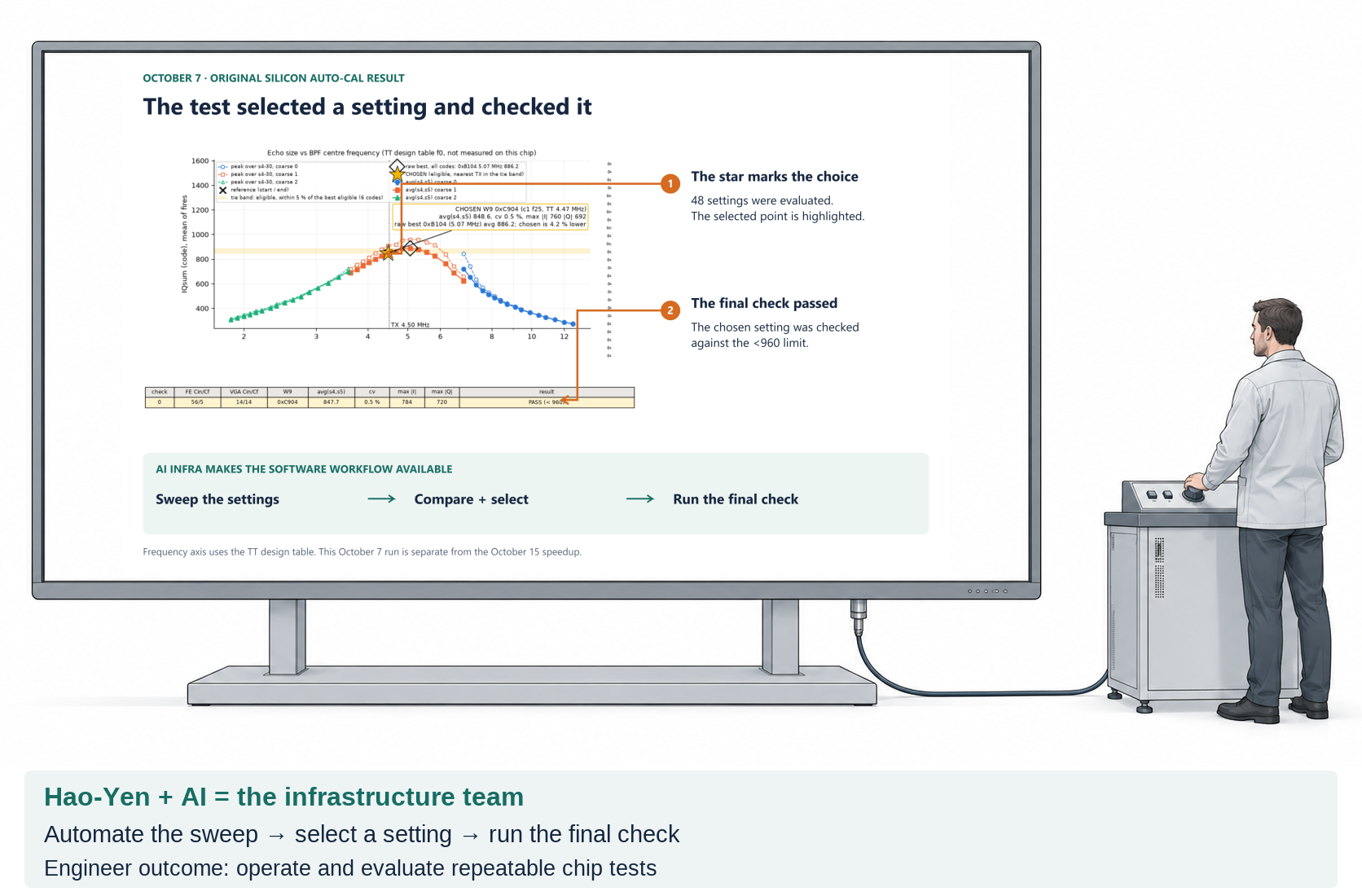
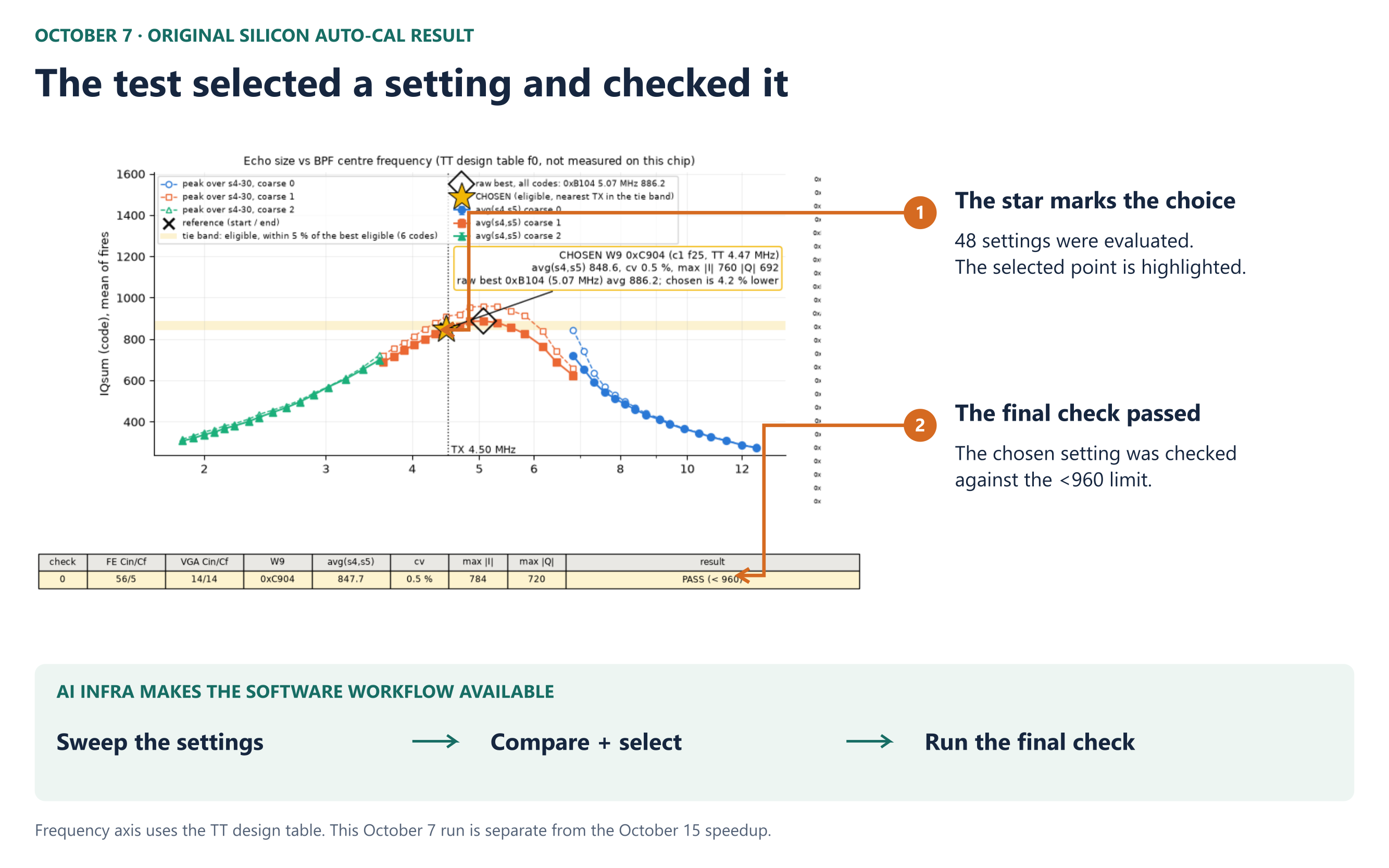
The D+15 report shows 5.7 s reduced to 1.84 s per point, with zero errors across 4,600 points. Automatic code selection and a final check complete the calibration loop.

Engineers can run and evaluate repeated chip tests through a reusable firmware and test interface.

Automatic calibration: the workflow selects the best code and runs its final check.
Original auto-cal output · D+7, 16:01 run. The BPF sweep, sample heatmap and final-check table show the selected setting and PASS (<960). Open supporting figure ↗

Calibration 3× faster per point.

5.7 seconds per point → 1.84 seconds per point

3.1× faster calibration

The workflow keeps the serial port open between operations and completes 4,600 calibration points with zero errors.

Automatic calibration: the workflow selects the best code and runs its final check.

Explore the workflow and annotated evidence
Recorded evidence and enlarged annotations. Engineer outcome: operate and evaluate repeatable chip tests. Hao-Yen + AI: Automate the sweep → select a setting → run the final check
Recorded evidence with result explanations
Enlarged excerpts with annotations. Open annotated view ↗

A colleague extended the tools for tactile testing.

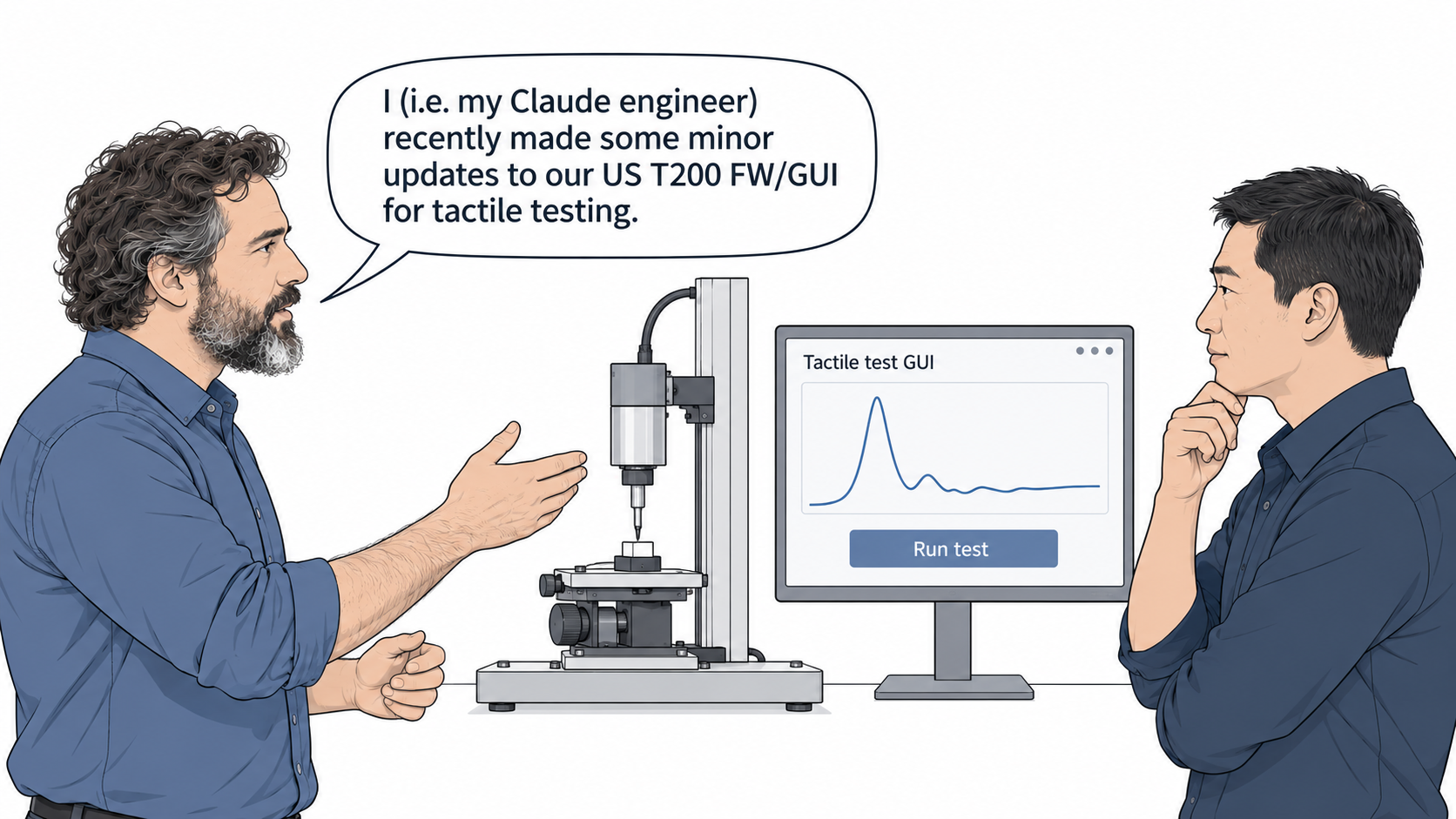
On D+13, a colleague reported using his own Claude environment to make small updates to the sensor module firmware and its GUI for tactile testing. He kept the setup for future work, extending the tools to fit his experiment.

Engineering team member · D+13

What the team reported

Engineers describe the work they carried out: chip communication, firmware programming, test-tool changes and calibration.

Excerpts from Teams and email, attributed by role and date. Chinese messages include English translations.

Program firmware from the analog bench

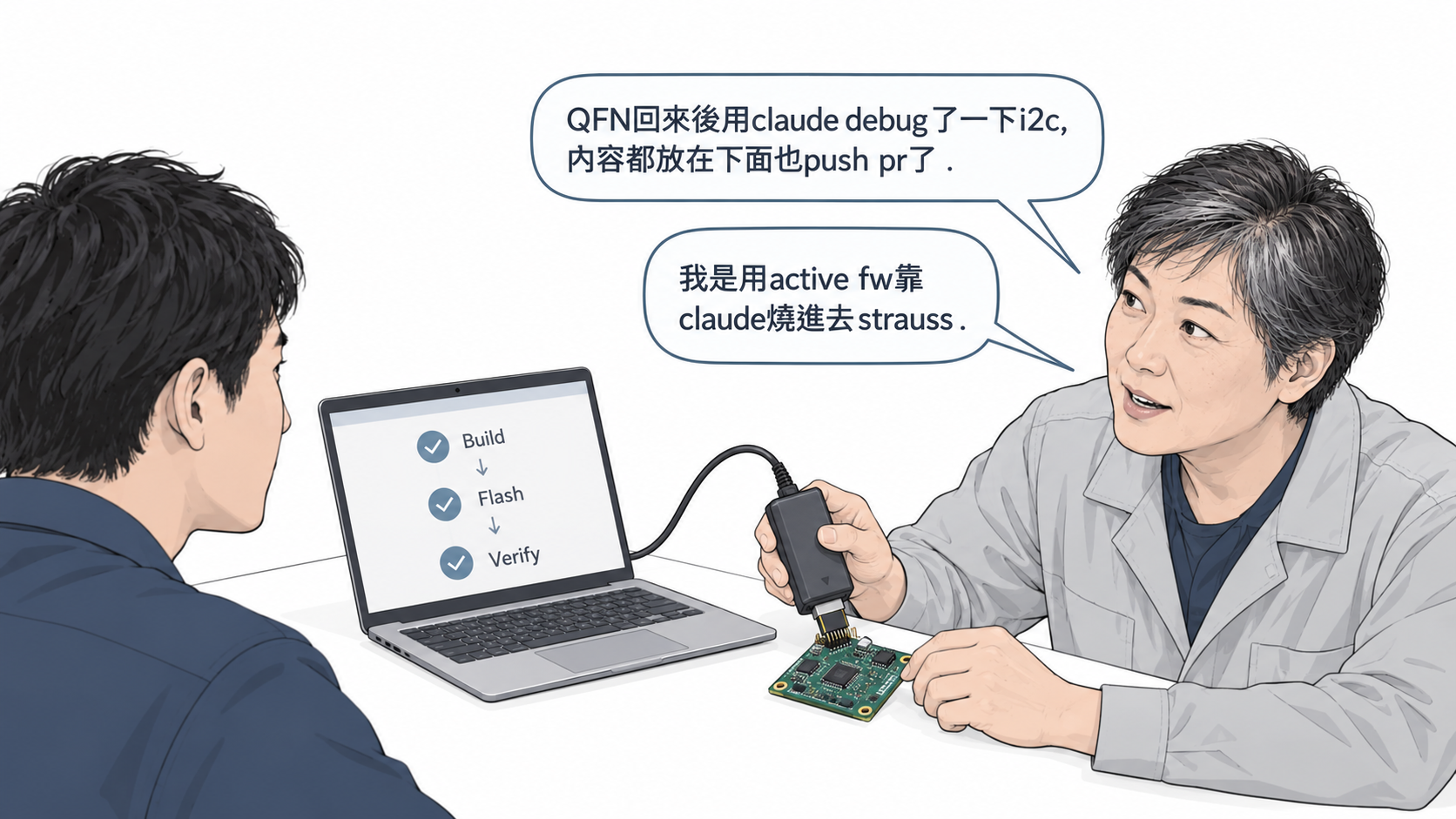
QFN回來後用claude debug了一下i2c, 內容都放在下面也push pr了

After the QFN chip arrived, I used Claude to debug I²C and pushed a pull request.

Analog IC designer · D0

Teams excerpt describing an I²C fix submitted for review.

我是用韌體靠claude燒進去 ASIC

I used Claude to flash the active firmware into our ASIC.

Analog IC designer · D0

Teams excerpt confirms firmware programming during chip bring-up.

View this exchange
Program firmware from the analog bench. QFN回來後用claude debug了一下i2c, 內容都放在下面也push pr了 我是用韌體靠claude燒進去 ASIC

Make software work accessible

話說能引入 AI 把這些 flow 的難度降低到我們也能幫忙

大大真的是很猛呀...

Introducing AI lowered the difficulty of these workflows enough for us to contribute.

Analog IC designer · D+6

Two consecutive Teams messages. English translation of the first message.

View this exchange
Make software work accessible. 話說能引入 AI 把這些 flow 的難度降低到我們也能幫忙

Run calibration and share the data

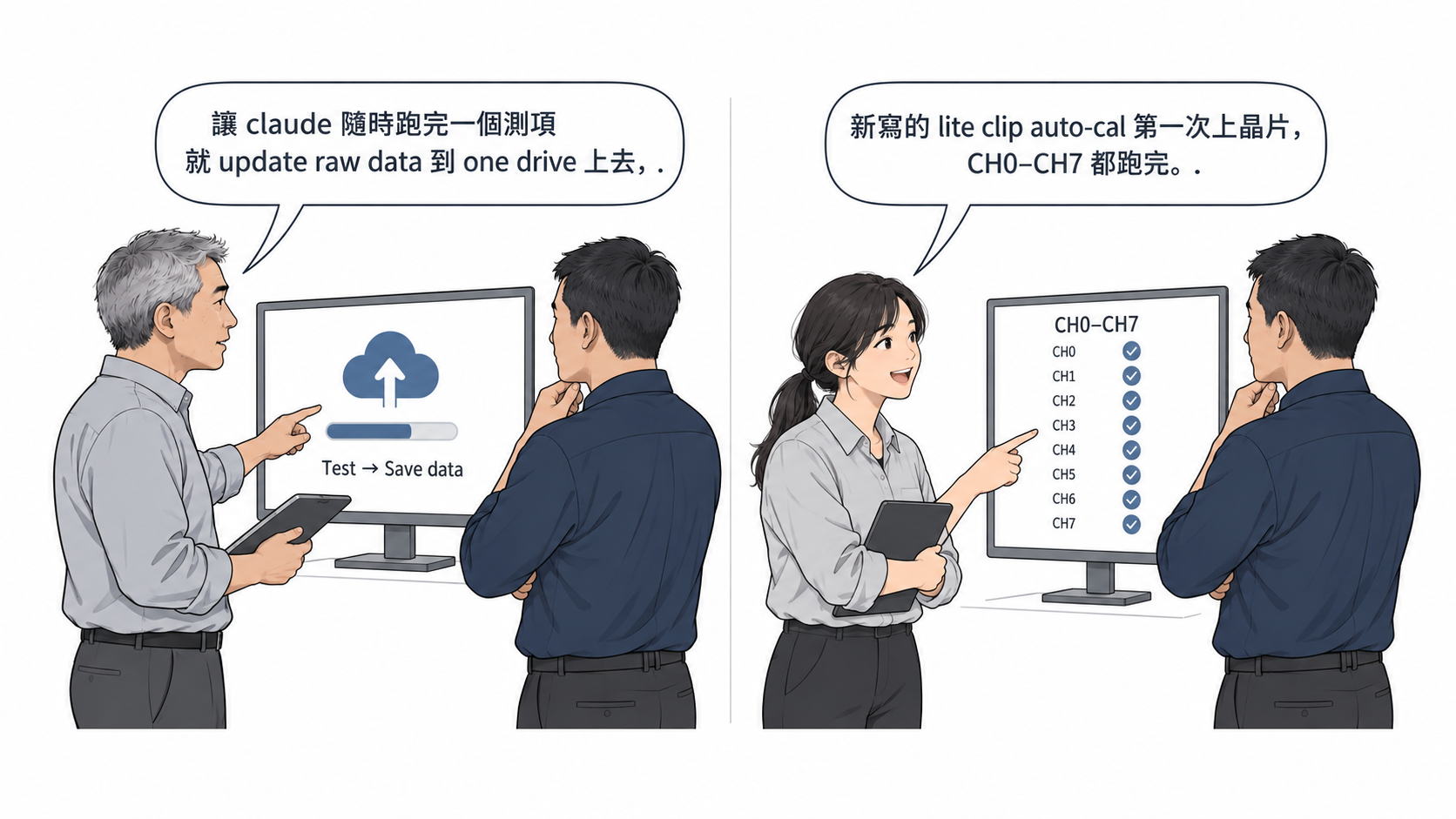
讓 claude 隨時跑完一個測項就 update raw data 到 one drive 上去,

Have Claude update the raw data on OneDrive whenever it finishes a test.

Analog IC designer · D+6

Overnight-test handover describing how raw data would be shared for review.

新寫的 lite clip auto-cal 第一次上晶片,CH0–CH7 都跑完。

The new lite clip auto-cal ran on silicon for the first time and completed CH0–CH7.

Analog IC designer · D+15

Excerpt from a bench progress report.

View this exchange
Run calibration and share the data. 讓 claude 隨時跑完一個測項就 update raw data 到 one drive 上去, 新寫的 lite clip auto-cal 第一次上晶片,CH0–CH7 都跑完。

Adapt the software to the experiment

I (i.e. my Claude engineer) recently made some minor updates to the sensor module FW/GUI for tactile testing.

Engineering team member · D+13

Email excerpt describing firmware and GUI changes, with existing capabilities preserved and an environment the team could reuse.

View this exchange
Adapt the software to the experiment. I (i.e. my Claude engineer) recently made some minor updates to the sensor module FW/GUI for tactile testing.

Review the results together

The platform from Hao-Yen is very impressive.

Greater China sales team member · D+8

Hao-Yen and AI connect firmware, tools and bench measurements for the engineering team.

View this exchange
Review the results together. The platform from Hao-Yen is very impressive.Original D+7 calibration output
Automatic calibration selects the best code and runs its final check.

Start with one useful engineering workflow.

Through Ponchi AI, I bring hardware experience and practical AI implementation to engineering teams. A useful starting point is one workflow that matters to the product: preparing for bring-up, adapting a test, analyzing measurements or helping an engineer change the tools around an experiment.

Deploy AI in your teamBack to my story

The complete engineering story and portfolio scenes

Read the full narrative behind the tools and explore the original engineering evidence.

Read the complete engineering story
Explore four portfolio scenes and five feedback scenes
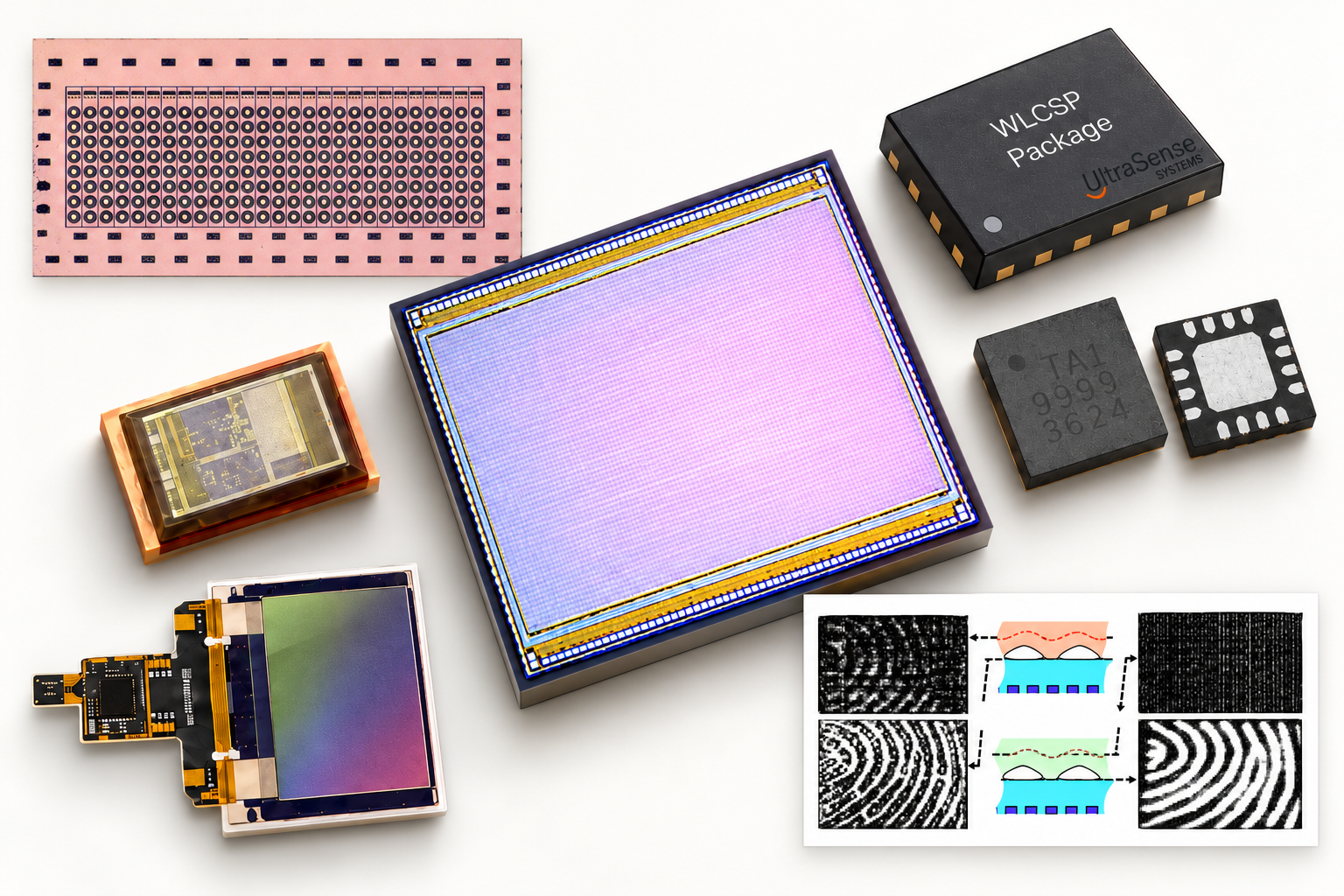
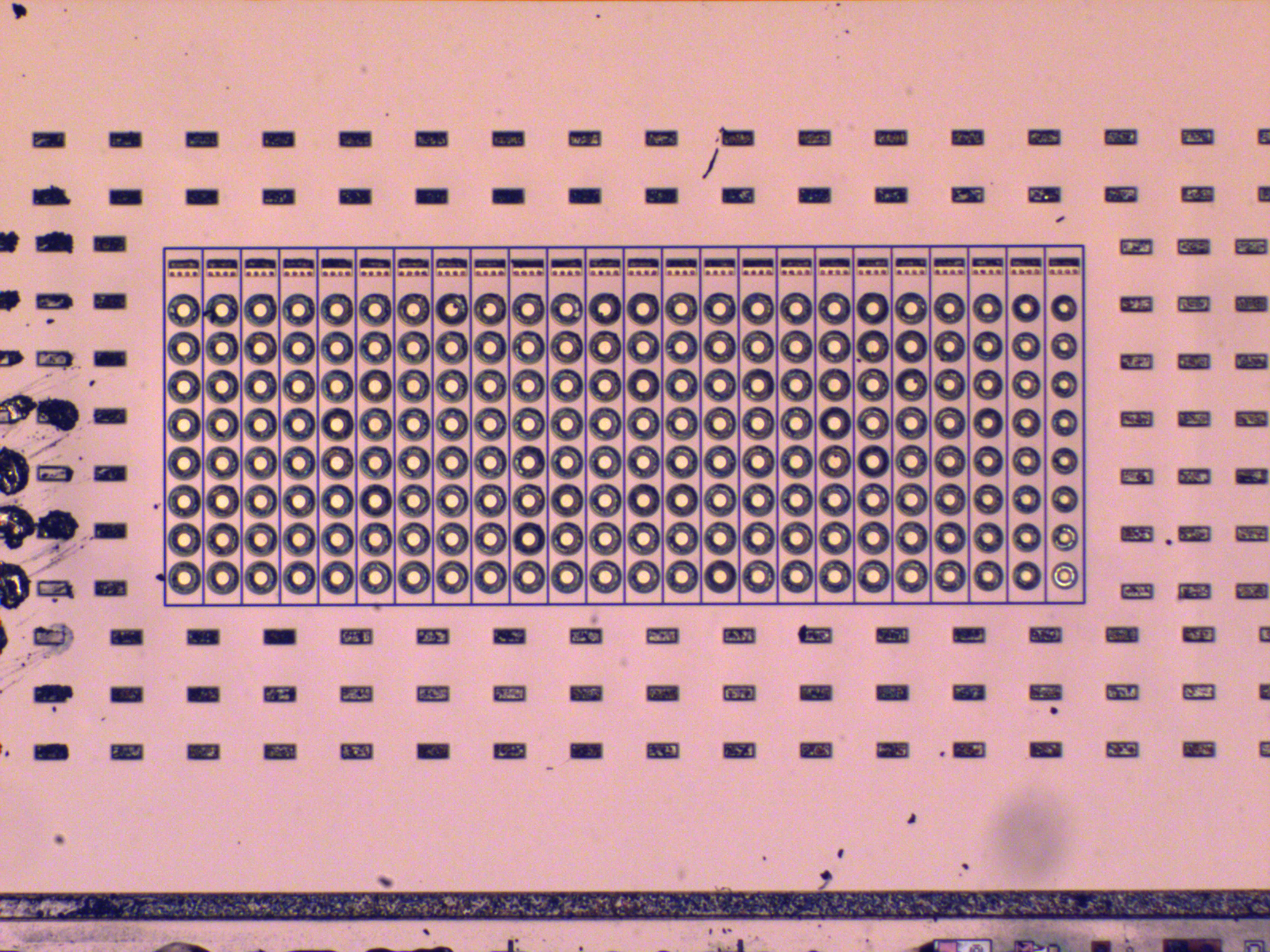
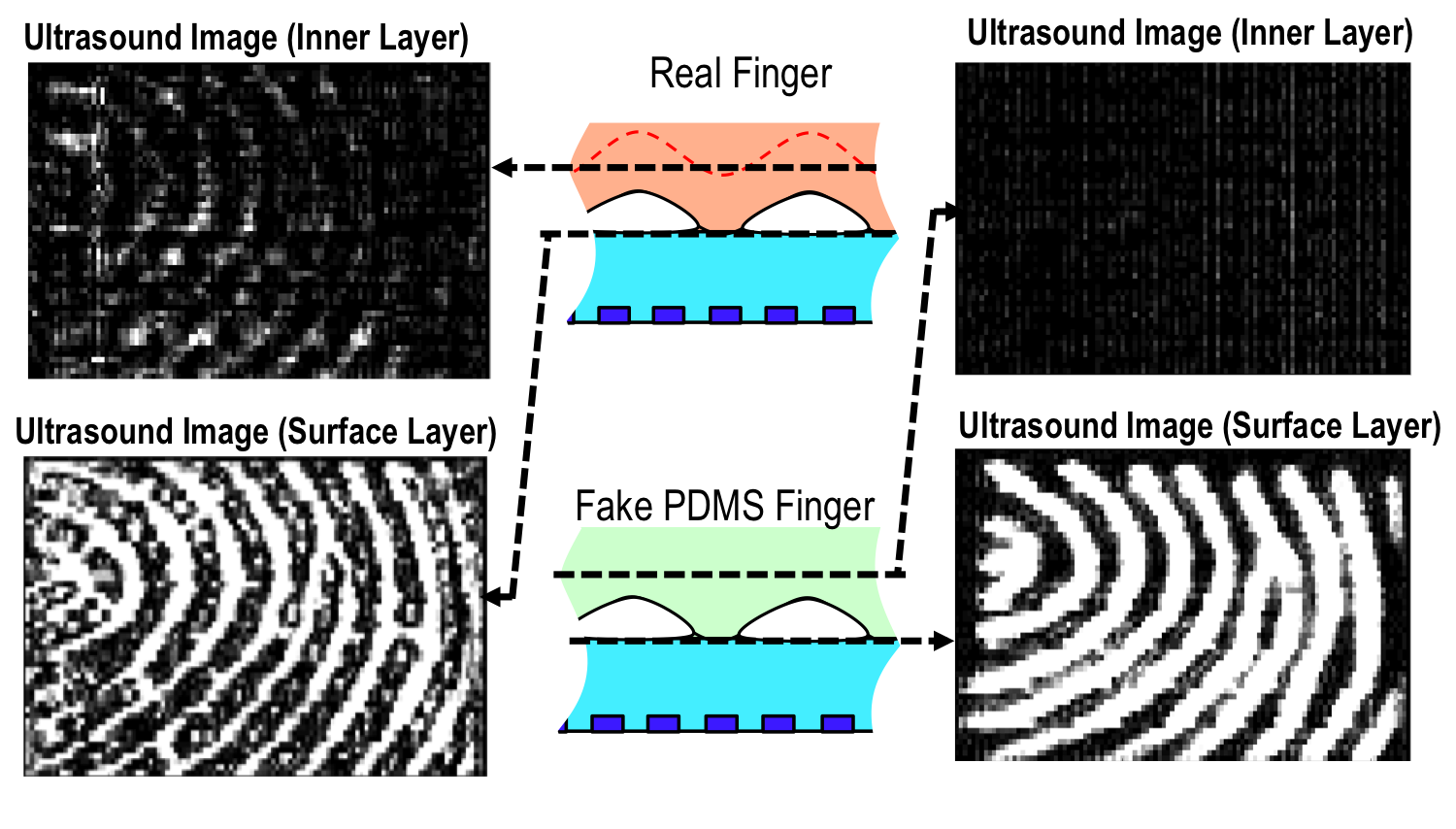
Transducer arrays, silicon dies, chip packages and ultrasonic imaging.Original PMUT array micrographPublished comparison of real-finger and PDMS-phantom surface and inner-layer ultrasound images.
Transducers, interface circuits and ultrasonic imaging—the signal-chain experience behind how I define and check AI tasks.

Research & original figures ↗Fingerprint imaging ↗

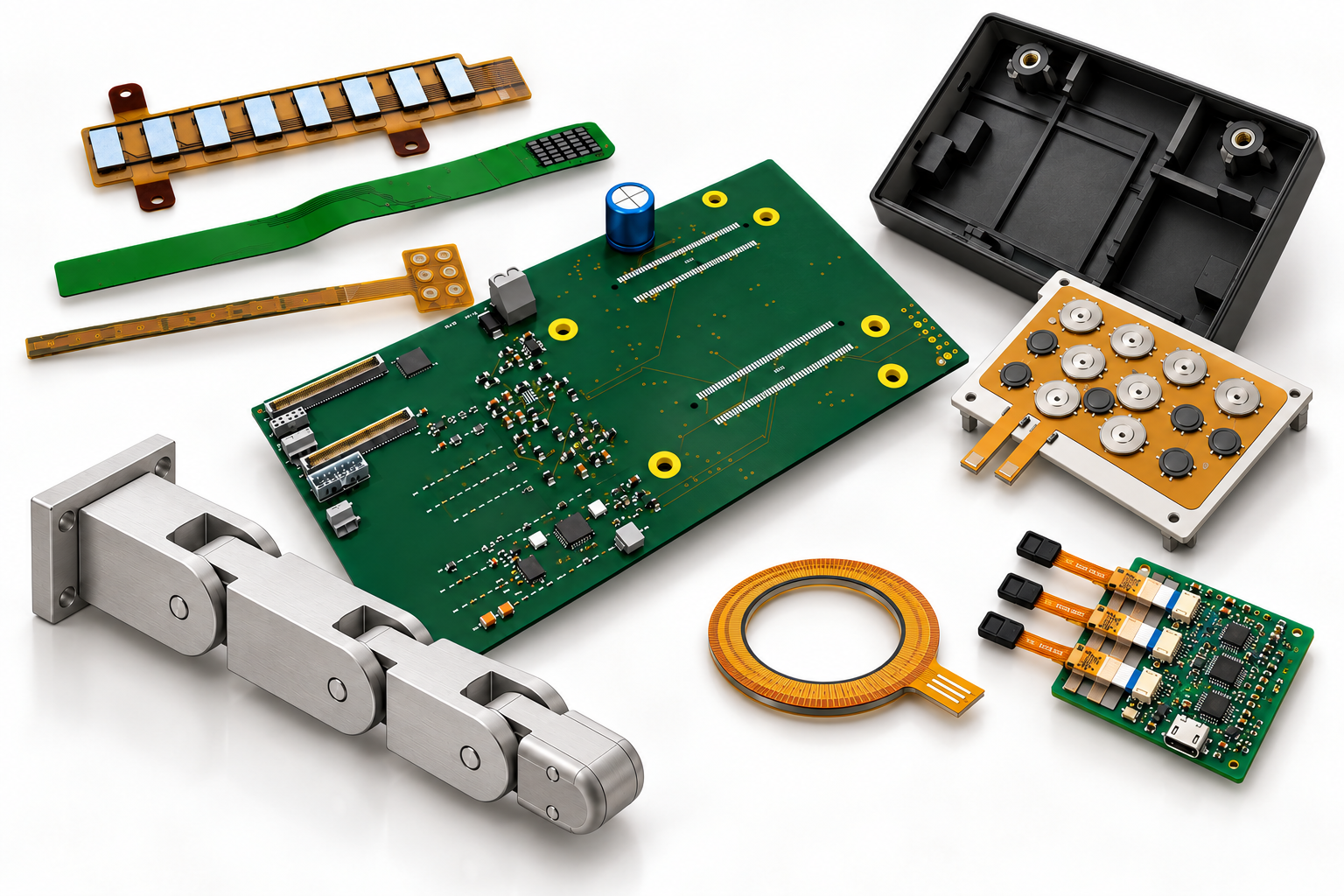
PCB assemblies, flexible sensors, a mechanical assembly and a sensor enclosure from the existing portfolio.
Boards, flexible sensors and mechanical assemblies. Working across these interfaces helps me connect software changes to physical behavior.

Explore the hardware portfolio ↗

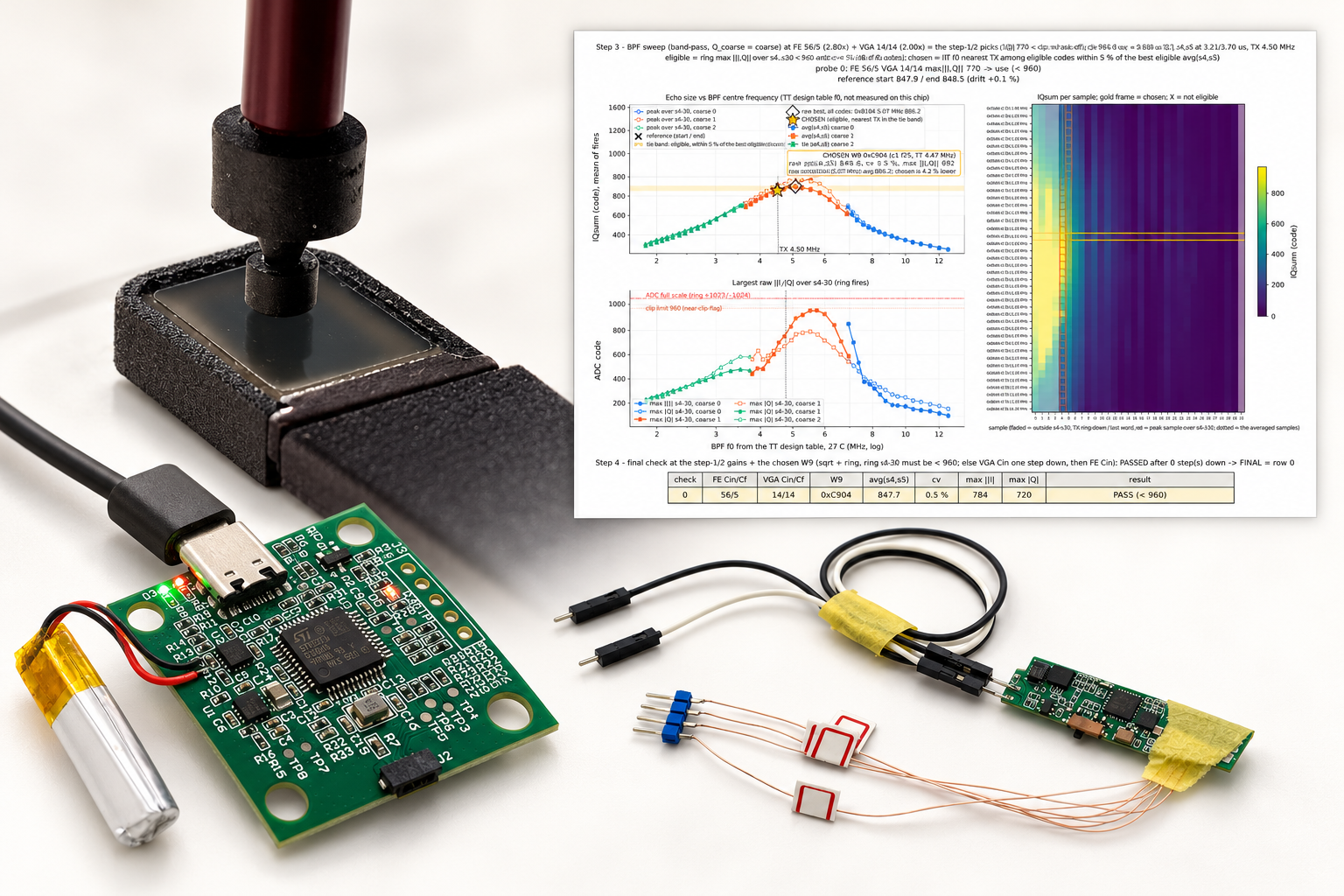
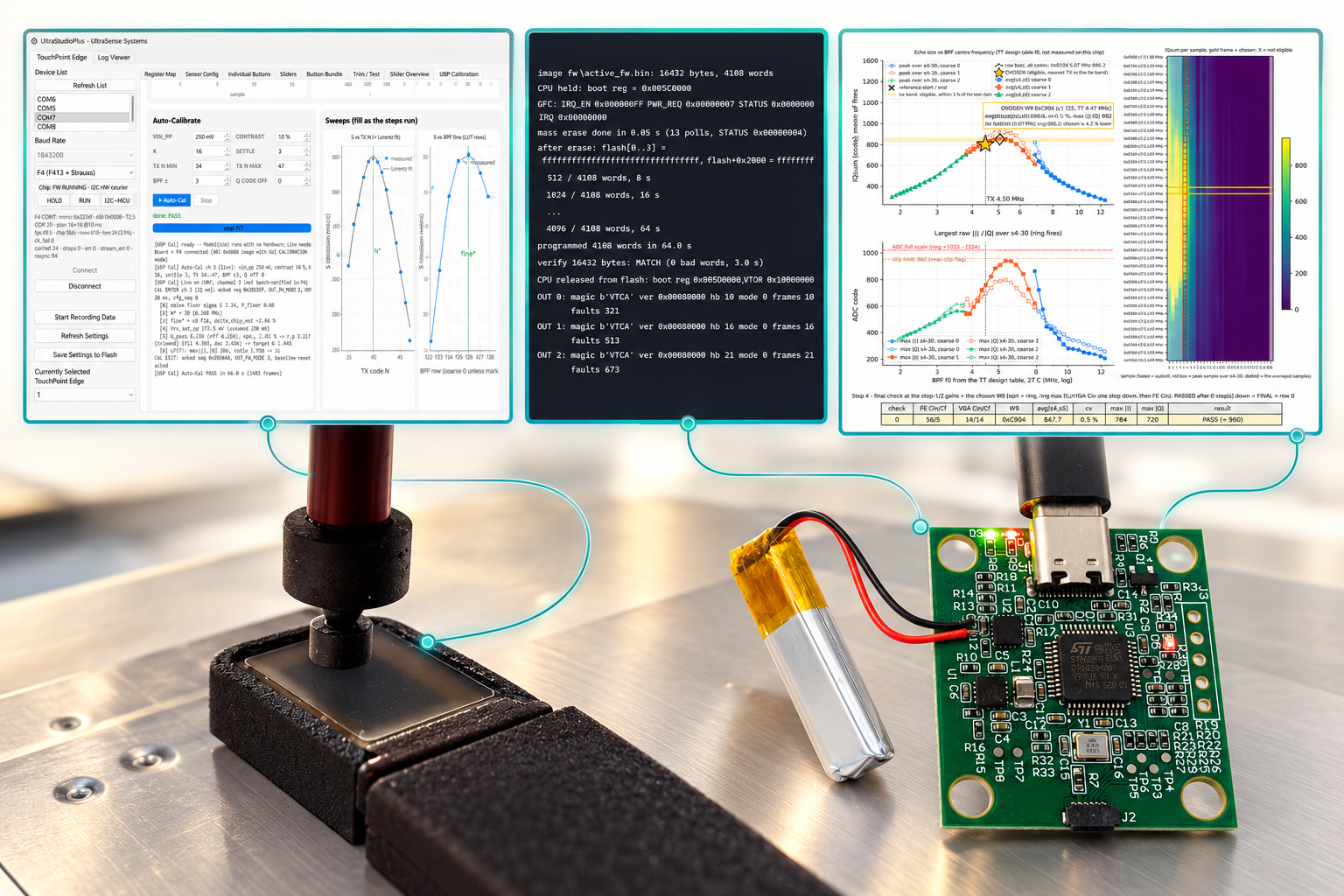
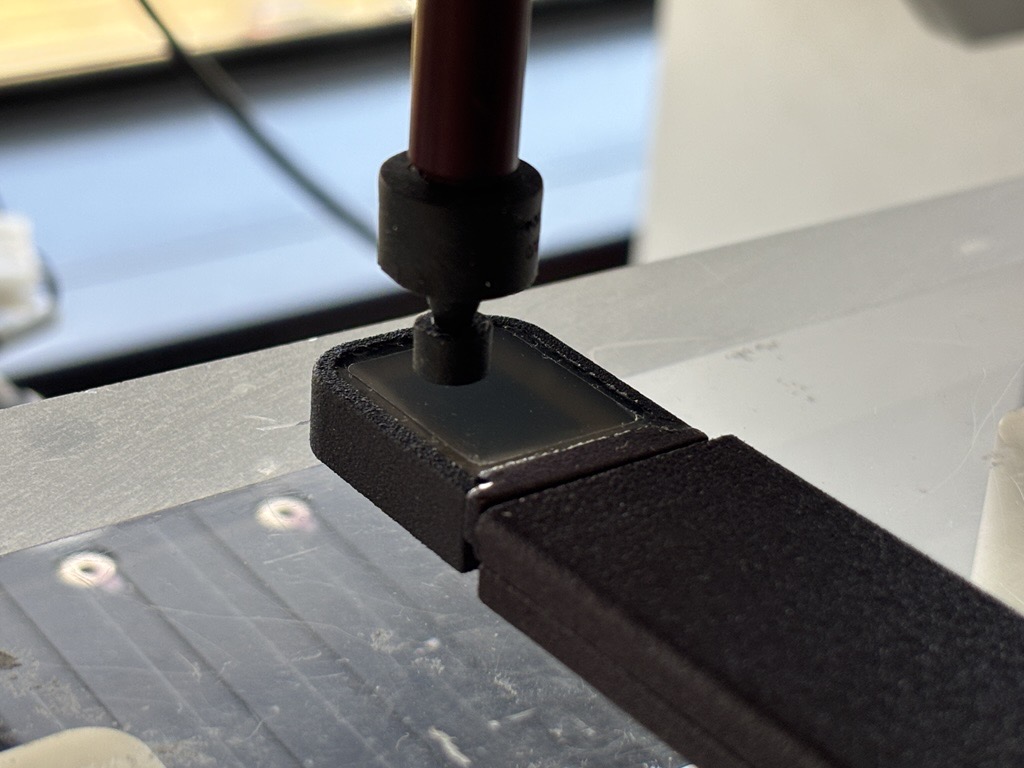
A tactile probe experiment, development board, sensor wiring and an original calibration report.Original D+7 calibration sweep and final check
A test brings code back to the physical system. The calibration workflow selects and checks the best code automatically.

Original probe photograph ↗Original calibration report ↗

Emulation software, firmware programming and calibration output.Pre-silicon software and calibration workflow.Arrival-day firmware readback and advancing heartbeat.Original D+7 calibration sweep and final check
Prepare the software, load firmware, inspect measurements. The captures follow the workflow I connect for colleagues.

Emulation ↗Firmware bring-up ↗Calibration ↗

Make your team work like this.

Deploy our product knowledge base, agent fleet and parallel engineering workflows in your company. Or bring us the hardware brief.