RESEARCH

PMUT, ultrasound, and the circuits around them.

A research line that runs from a Berkeley thesis on a fingerprint sensor-on-a-chip to products in three markets. Papers, patents, and what each one was actually for.

MICROSCOPIC HARDWARE

The acoustic array.

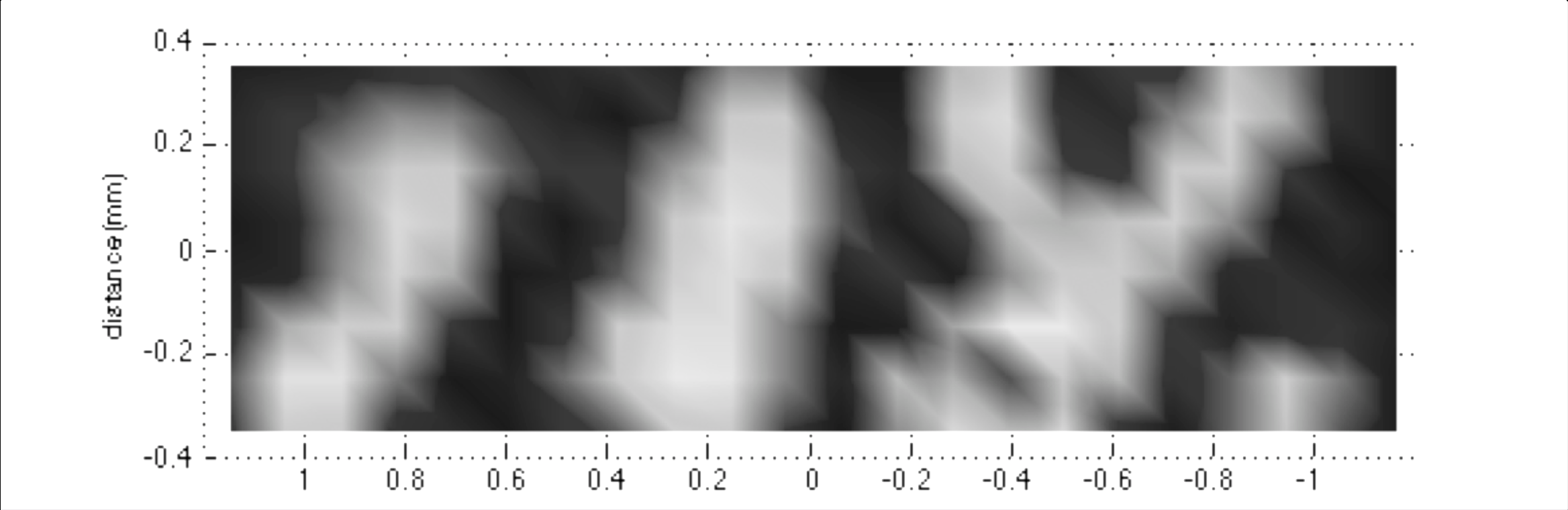
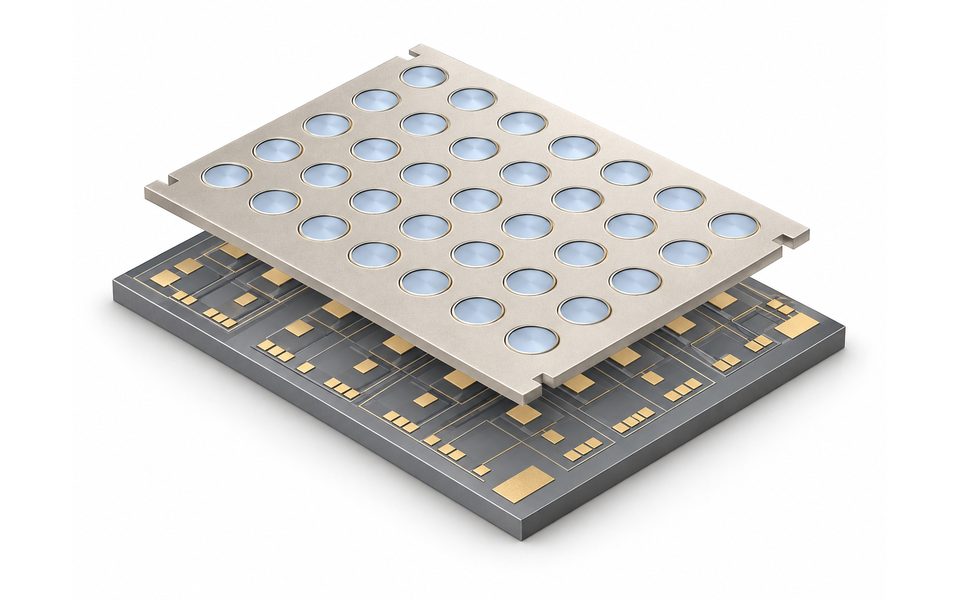
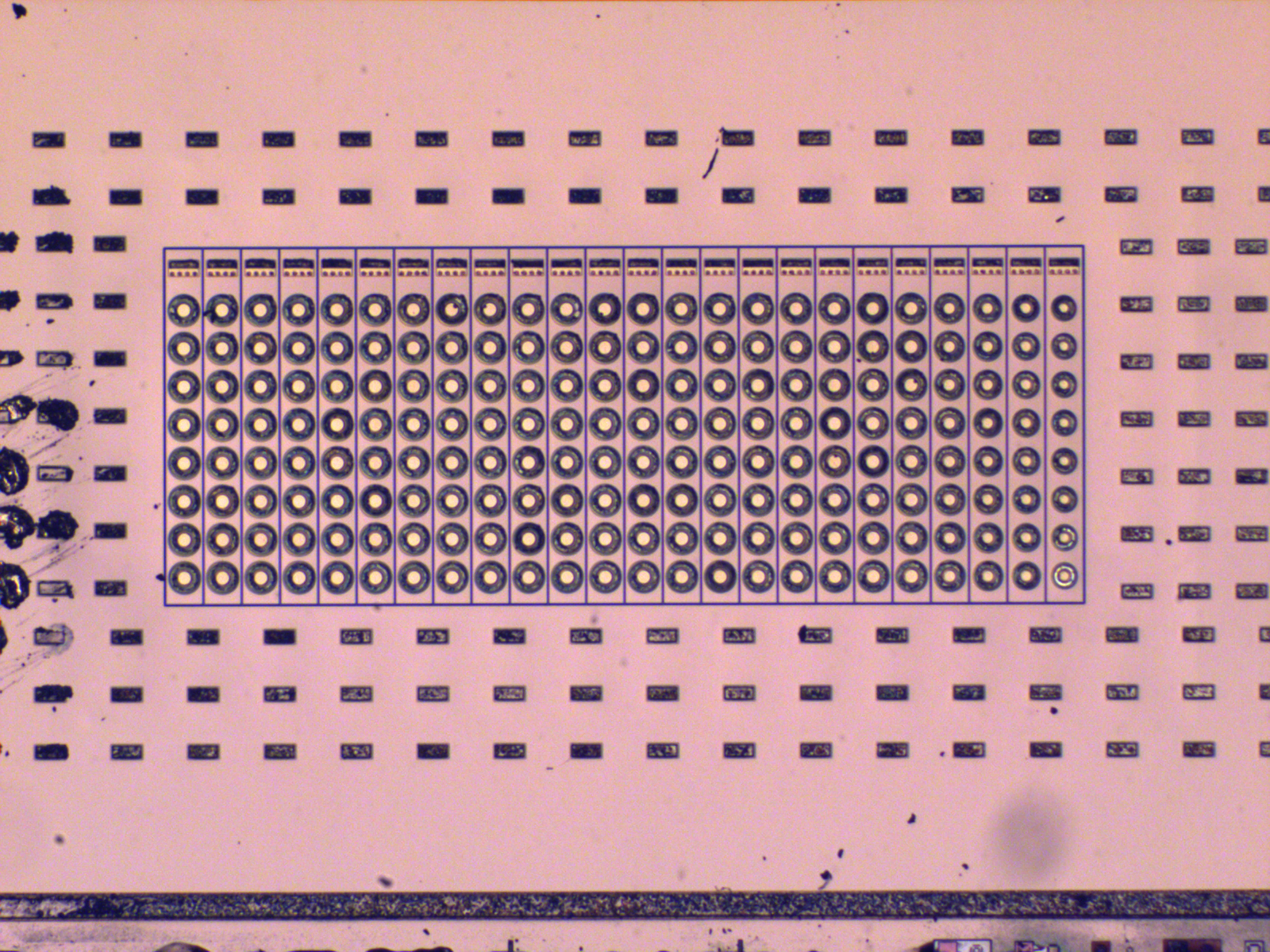
Optical micrograph of the fabricated PMUT array.
Paper imageAn optical micrograph of a rectangular transducer array, hundreds of circular elements laid out in a regular grid on a pink-toned substrate.

Open full image

RESEARCH

Four things I keep coming back to.

An overhead flat-lay on white of a closed hardbound notebook, a steel caliper opened to a small gap, three fanned frosted-glass slides and one small polished metal disc.

PMUT and piezoelectric transducers

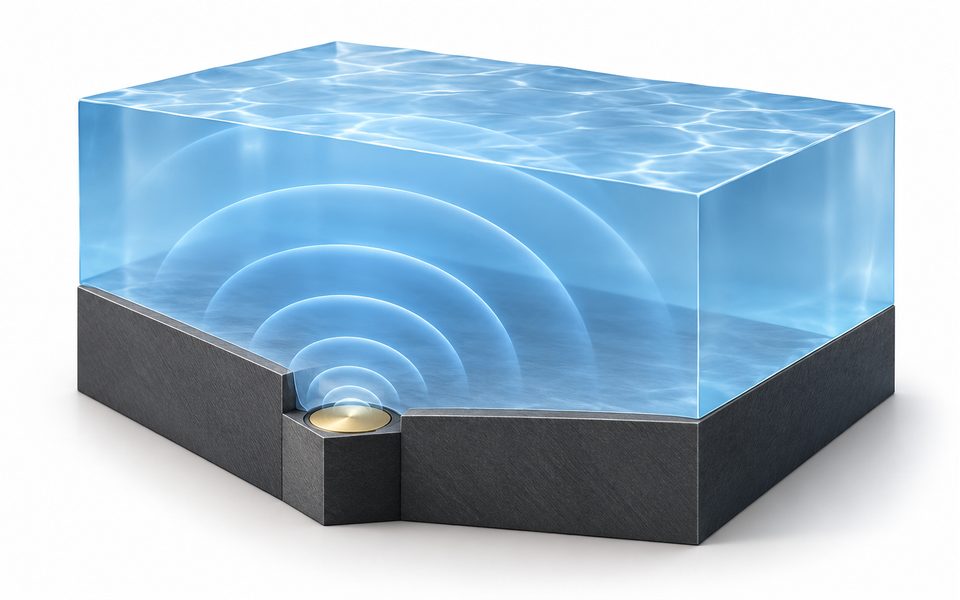
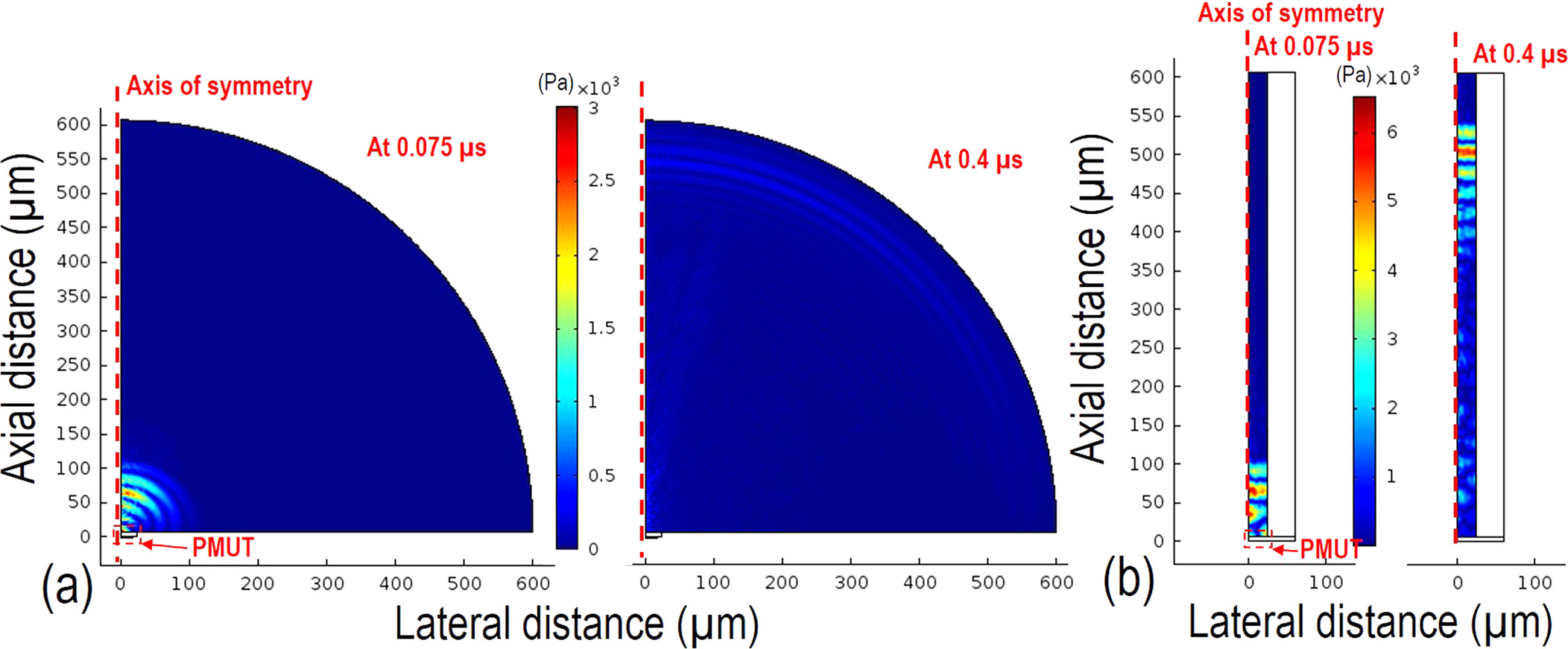
Piezoelectric micromachined ultrasonic transducers are small, cheap, and weak. Almost every interesting problem in this field is really a question about what the circuit has to do to make a weak transducer useful — and about designing the two together rather than throwing a finished transducer over the wall to a circuit designer.

High-voltage drive and transmit beamforming

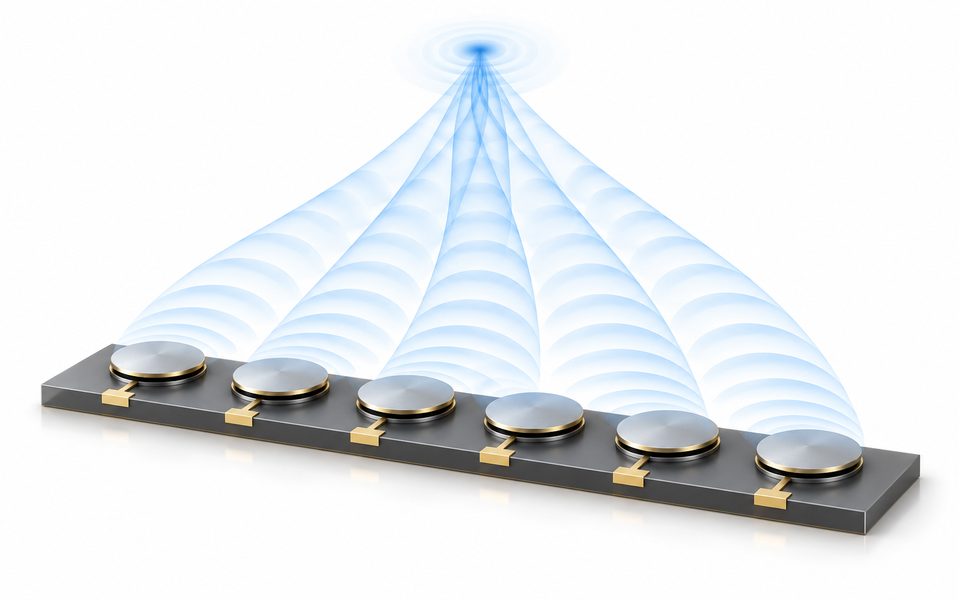
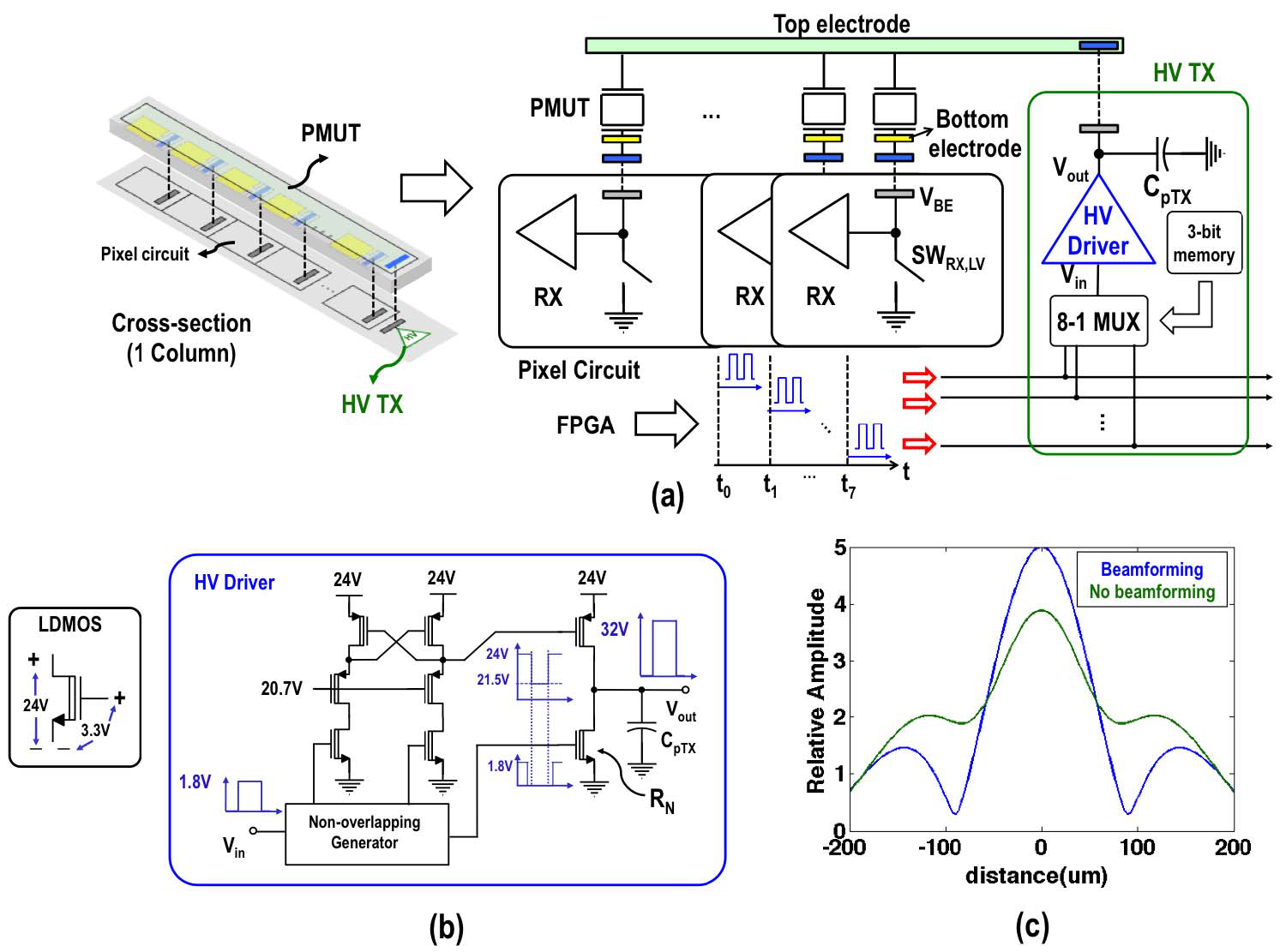
Getting enough acoustic energy out of a piezo element means high voltage, and high voltage on the same die as a microvolt-sensitive receiver means the two must be kept apart in time, in space, and in the supply network. Steering that energy — transmit beamforming from an array — is what turns a proximity sensor into an imager.

Monolithic sensor-on-CMOS integration

Sensor, analog front end, and processor on one die. The payoff is not area, it is that the parasitic between the transducer and the first amplifier goes away, which is often the thing that sets the noise floor of the whole system.

Low-power sensing systems and time-of-flight

A sensor that must run for years on a coin cell, or wake a car door in milliseconds, is a duty-cycling problem before it is a circuit problem. Precise time and frequency measurement is what buys back the accuracy that aggressive duty cycling costs.

From the papers themselves.

PUBLICATIONS

Selected papers.

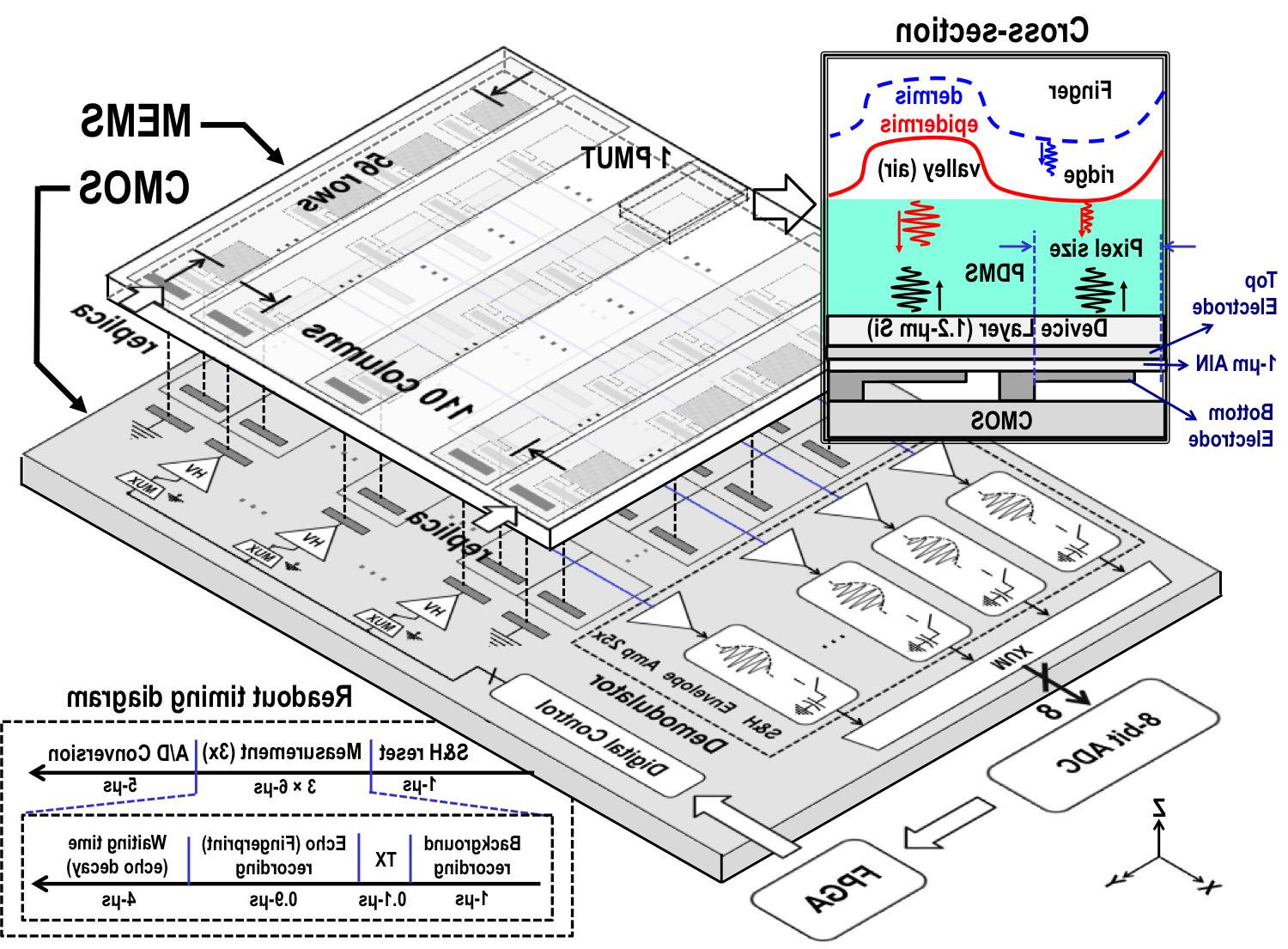
Monolithic ultrasound fingerprint sensor

X. Jiang, Y. Lu, H.-Y. Tang, J. M. Tsai, E. J. Ng, M. J. Daneman, B. E. Boser, D. A. Horsley

Microsystems & Nanoengineering, 3(1), 17059, 2017

Cited 194 times (Google Scholar, 2026-08-16)

3-D ultrasonic fingerprint sensor-on-a-chip

H.-Y. Tang, Y. Lu, X. Jiang, E. J. Ng, J. M. Tsai, D. A. Horsley, B. E. Boser

IEEE Journal of Solid-State Circuits, 51(11), pp. 2522-2533, 2016

Cited 182 times (Google Scholar, 2026-08-16)

3D ultrasonic rangefinder on a chip

R. J. Przybyla, H.-Y. Tang, A. Guedes, S. E. Shelton, D. A. Horsley, B. E. Boser

IEEE Journal of Solid-State Circuits, 50(1), pp. 320-334, 2015

Cited 181 times (Google Scholar, 2026-08-16)

12.1 3D ultrasonic gesture recognition

R. J. Przybyla, H.-Y. Tang, S. E. Shelton, D. A. Horsley, B. E. Boser

IEEE International Solid-State Circuits Conference (ISSCC), pp. 210-211, 2014

Cited 136 times (Google Scholar, 2026-08-16)
All publications

PATENTS

Selected patents.

Ultrasonic sensing, touch, force, and the transducer drive behind them.

Four thin frosted-glass plates squared into a stepped stack on white, with a machined brushed-aluminium block resting squarely on top.

Ultrasonic touch detection and decision

US 11,500,494 · ultrasound touch

2022

Miniature ultrasonic imaging system

US 10,820,888 · imaging

2020

Ultrasonic touch and force input detection

US 10,775,938 · ultrasound touch

2020

Ultrasonic touch sensor and system

US 10,719,175 · ultrasound touch

2020

Ultrasonic touch feature extraction

US 10,585,534 · ultrasound touch

2020

MUT fingerprint ID system

US 10,430,631 · fingerprint

2019

2018

36 granted US patents and 14 pending applications. Full portfolio on Google Patents

All patents

AWARDS

Recognition.

Lewis Winner Award for Outstanding Paper

IEEE International Solid-State Circuits Conference · for “3D Ultrasonic Fingerprint Sensor-on-a-Chip”

2016

Predoctoral Achievement Award

IEEE Solid-State Circuits Society

2015

Outstanding Student Paper Award

IEEE International Conference on Micro Electro Mechanical Systems

2017

EDUCATION

Education.

Ph.D., Electrical Engineering and Computer Sciences

University of California, Berkeley · Bernhard Boser's group. Thesis work on piezoelectric micromachined ultrasonic transducers and the integrated circuits that drive and read them, culminating in a 3-D ultrasonic fingerprint sensor-on-a-chip.

2012–2016

B.S., Electrical Engineering

National Taiwan University

2007–2011

ABOUT

About Ponchi AI and its founder.

Hao-Yen Tang is co-founder and CTO of UltraSense Systems, San Jose. He received the B.S. in Electrical Engineering from National Taiwan University and the Ph.D. in Electrical Engineering and Computer Sciences from the University of California, Berkeley, where he worked in Bernhard Boser's group on piezoelectric micromachined ultrasonic transducers and the integrated circuits that drive and read them. His thesis work on a 3-D ultrasonic fingerprint sensor-on-a-chip received the 2016 ISSCC Lewis Winner Award for Outstanding Paper and became the basis of a commercial fingerprint sensor product line. His research interests are integrated circuits for physical sensing: PMUT and piezoelectric transducer interfaces, high-voltage pulsers and transmit beamforming, monolithic sensor-on-CMOS integration, and low-power sensing systems-on-chip.

CONTACT

Discuss your project.

Tell us your goal, what you have today, and the engineering workflow you want to improve. Whether it is a chip, a board, a device, or a creative object, email us to start the conversation.

Email info@ponchiai.com