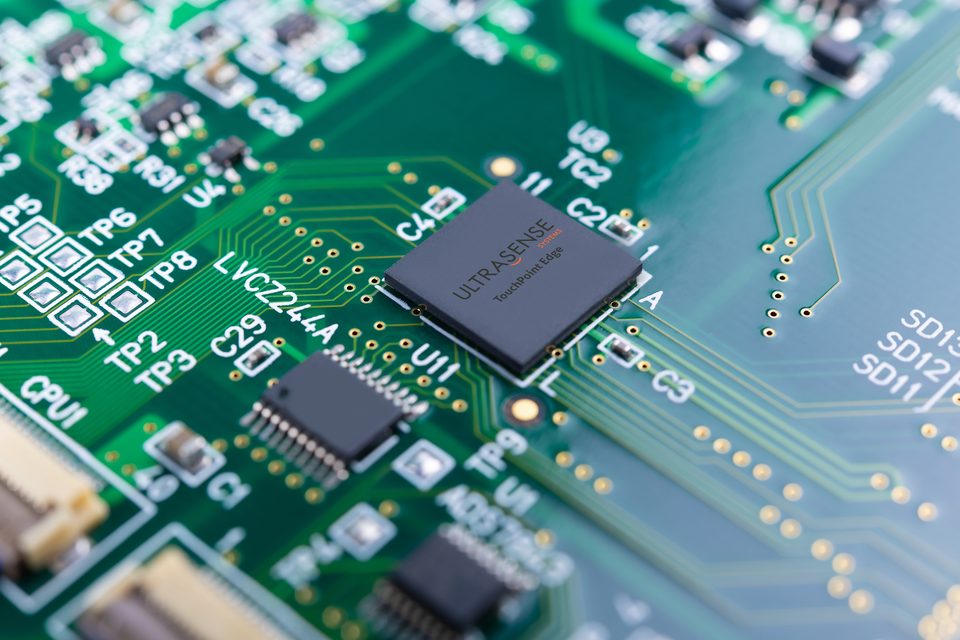
Mixed-signal ASIC architecture and design
From a sensing requirement to a chip partition: what belongs in analog, what belongs in digital, what belongs in firmware, and what should not be on the die at all.
WORK WITH ME
Mixed-signal ASIC, MEMS-on-CMOS integration, firmware, sensing algorithms, and post-silicon bring-up — the whole chain, run by a small team with AI agents doing the repeatable parts. If you have a sensor that needs an ASIC around it, this is what that work looks like.
WORK WITH ME
Most sensors do not fail because the physics is wrong. They fail in the gap between the transducer and the system around it — the front end that reads it, the firmware that schedules it, the algorithm that decides what a reading means, and the board and housing that change all three. I have spent about ten years in that gap.
From a sensing requirement to a chip partition: what belongs in analog, what belongs in digital, what belongs in firmware, and what should not be on the die at all.
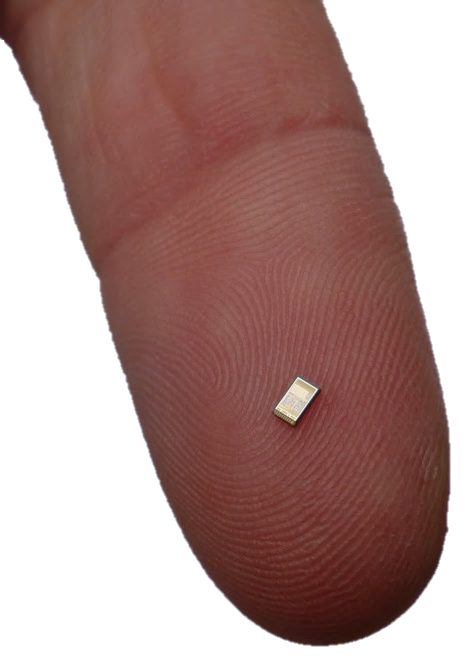
Piezo, PMUT, and capacitive transducers integrated with the electronics that read them — monolithic, bonded, or discrete, chosen by what the product can actually build.
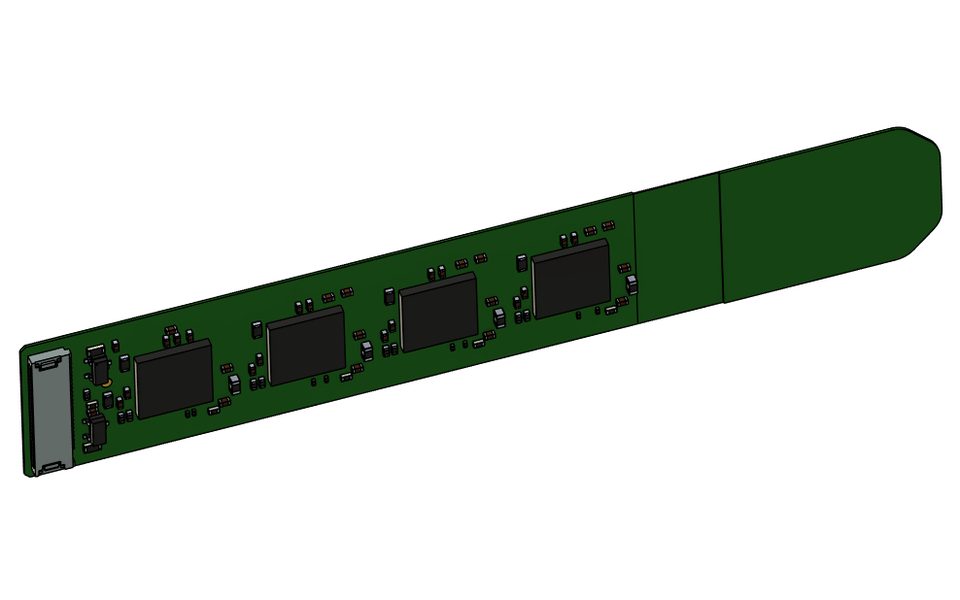
Pulsers, charge pumps, and low-noise receive chains that have to coexist on one die, plus the isolation strategy that keeps them from ruining each other.
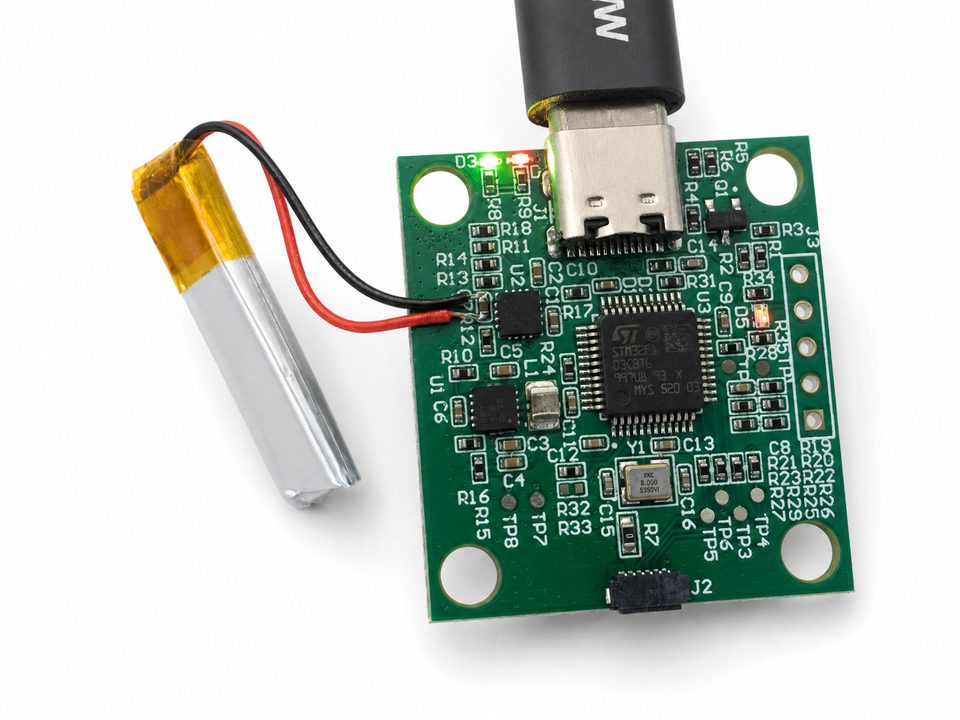
Sensing algorithms taken from a model to embedded C on the part that ships, with the fixed-point behaviour checked against the model rather than assumed.
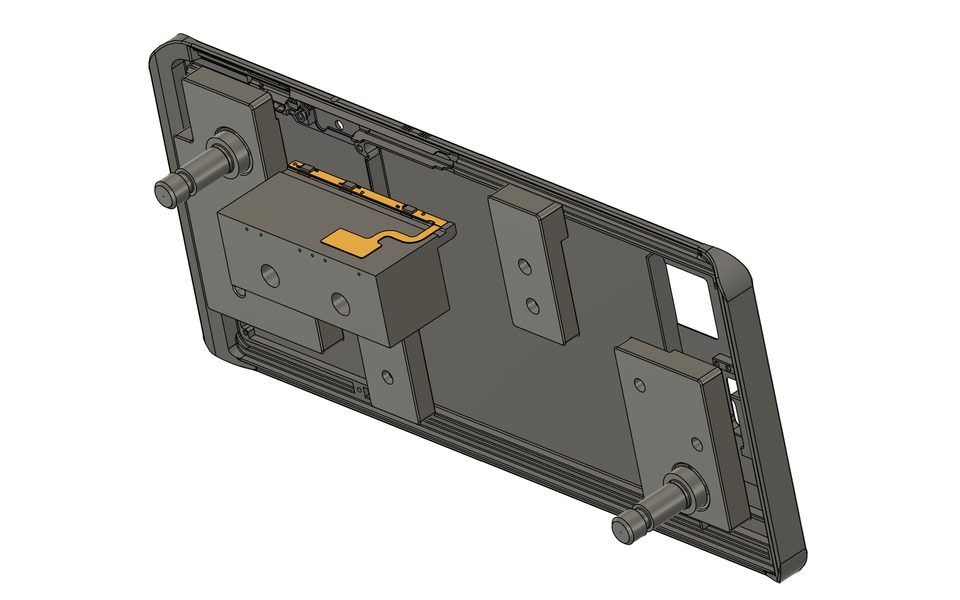
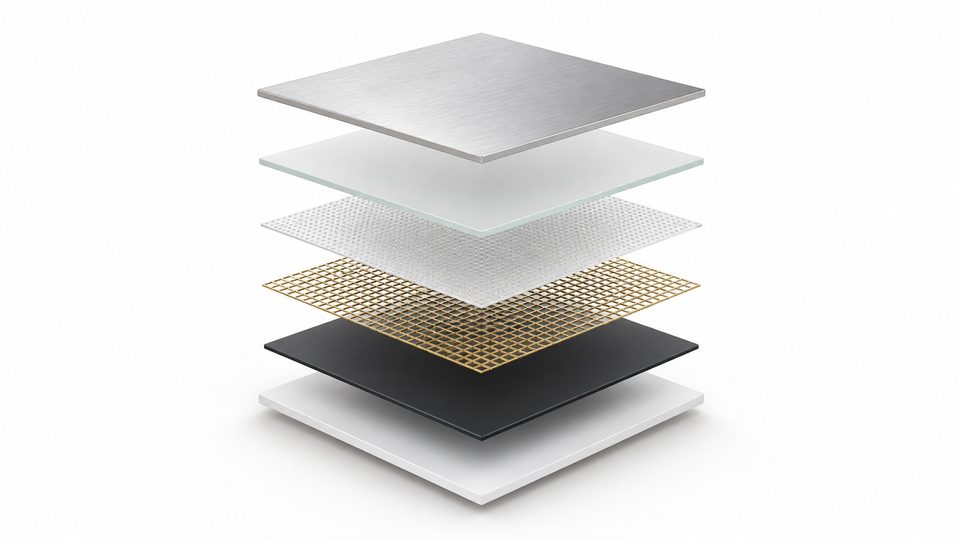
The sensor's mechanical environment is part of the sensor. Stack-up, lamination, and structural response get designed alongside the electronics, not after.
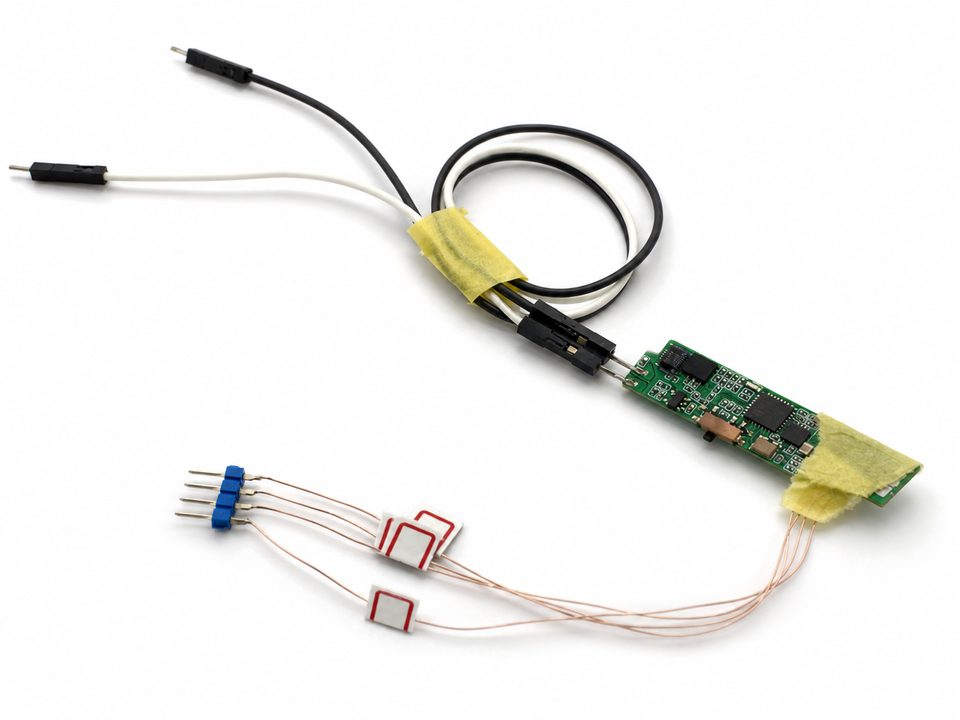
First-silicon bring-up, instrumented benches, and captures that survive review — so a result can be distinguished from a fixture that never exercised the behaviour.
What the chain produces, from part to shipping surface.
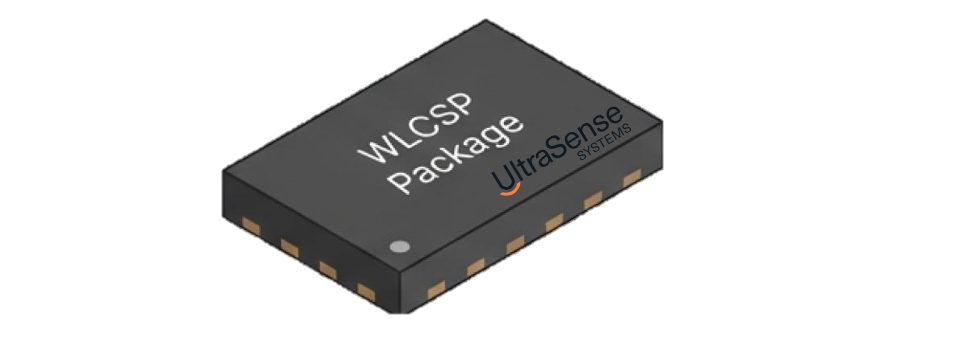
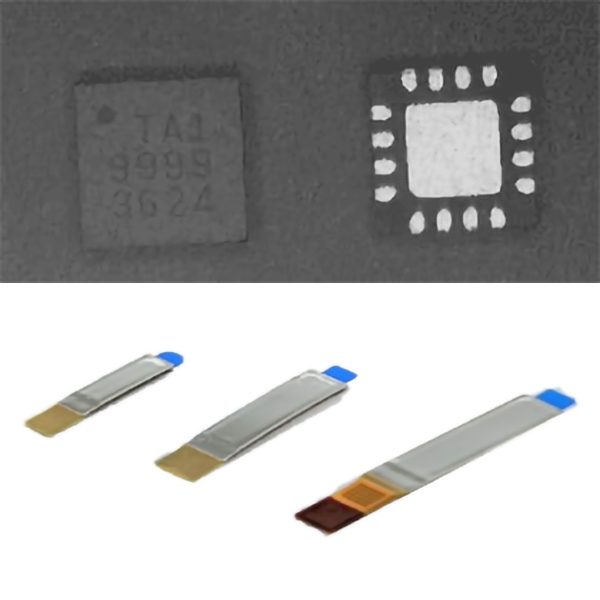
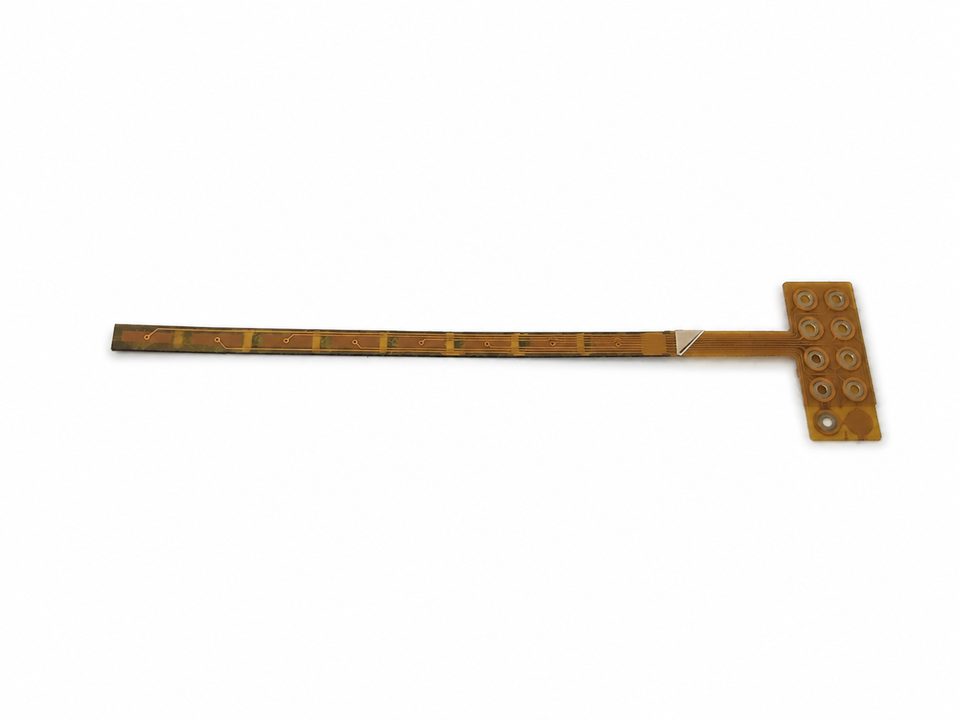
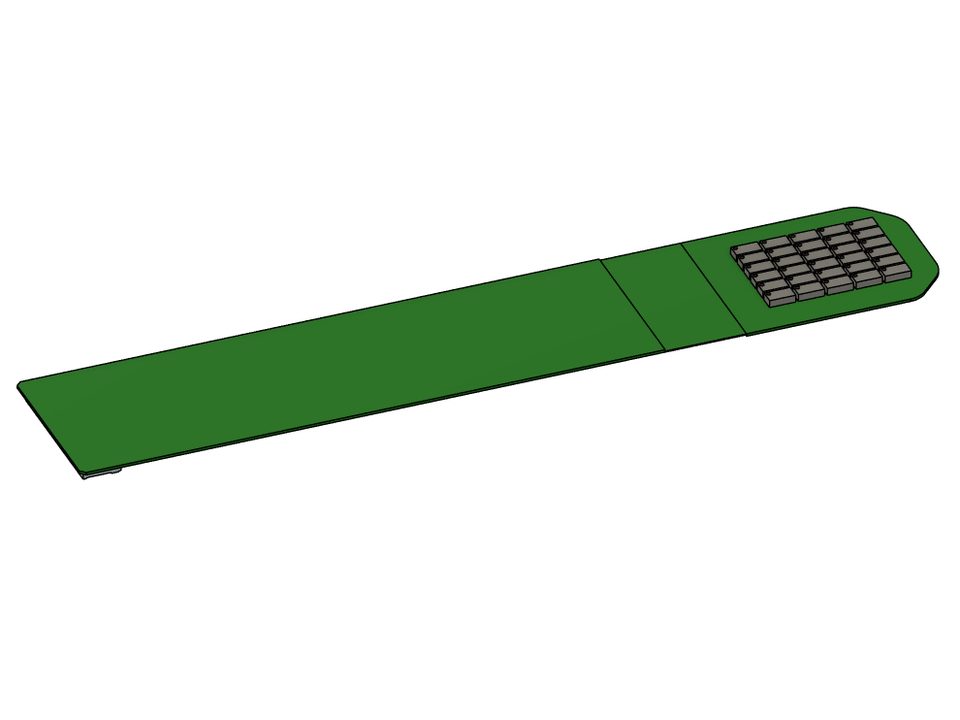
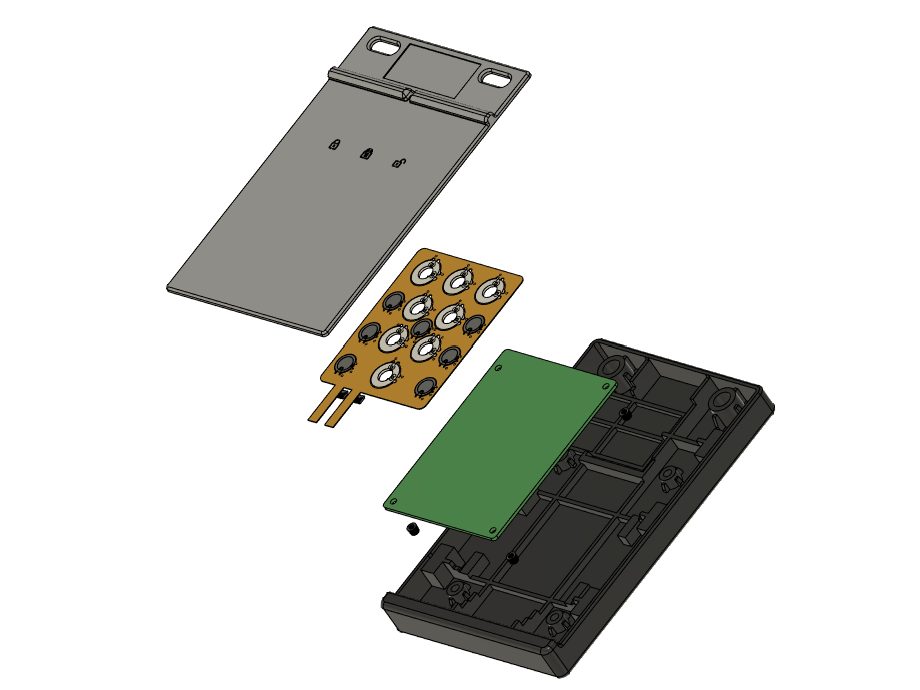
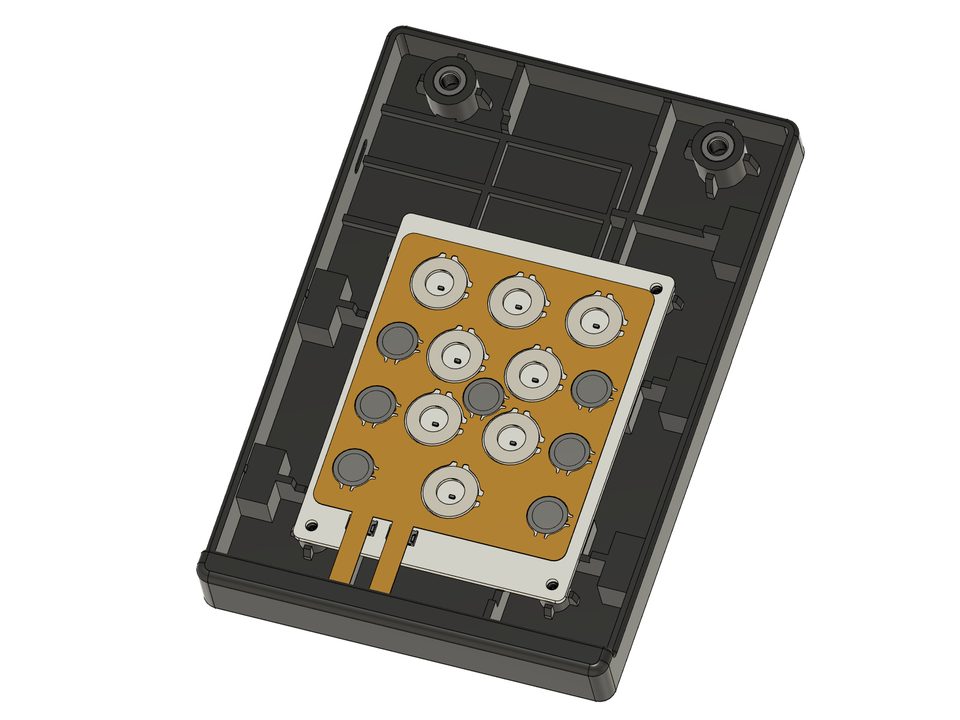
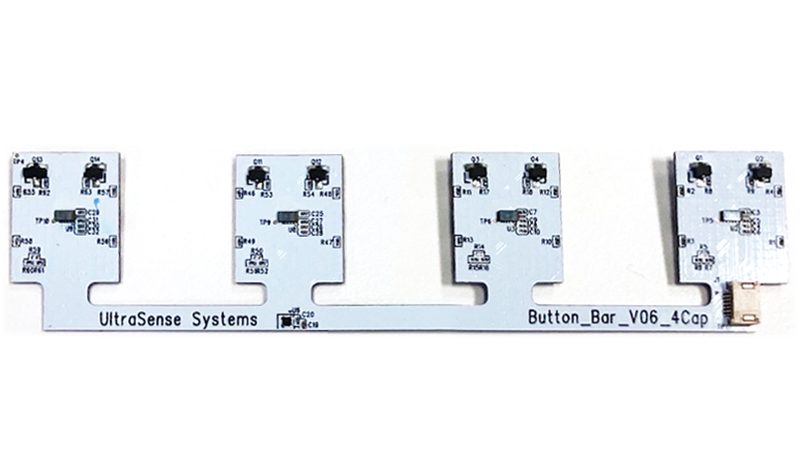
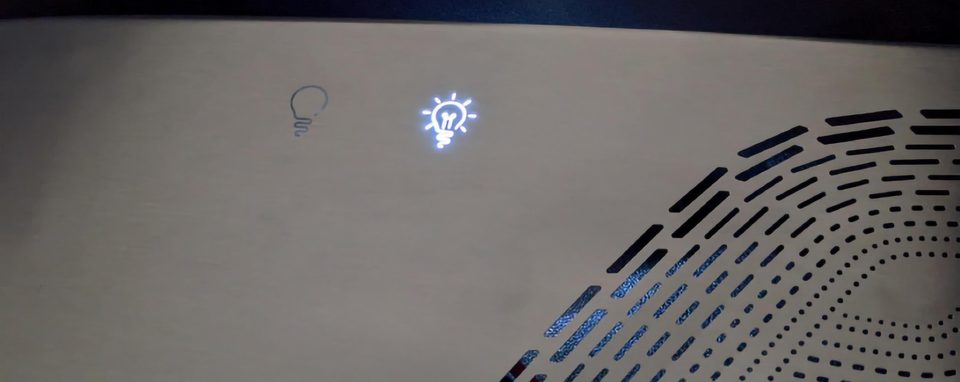
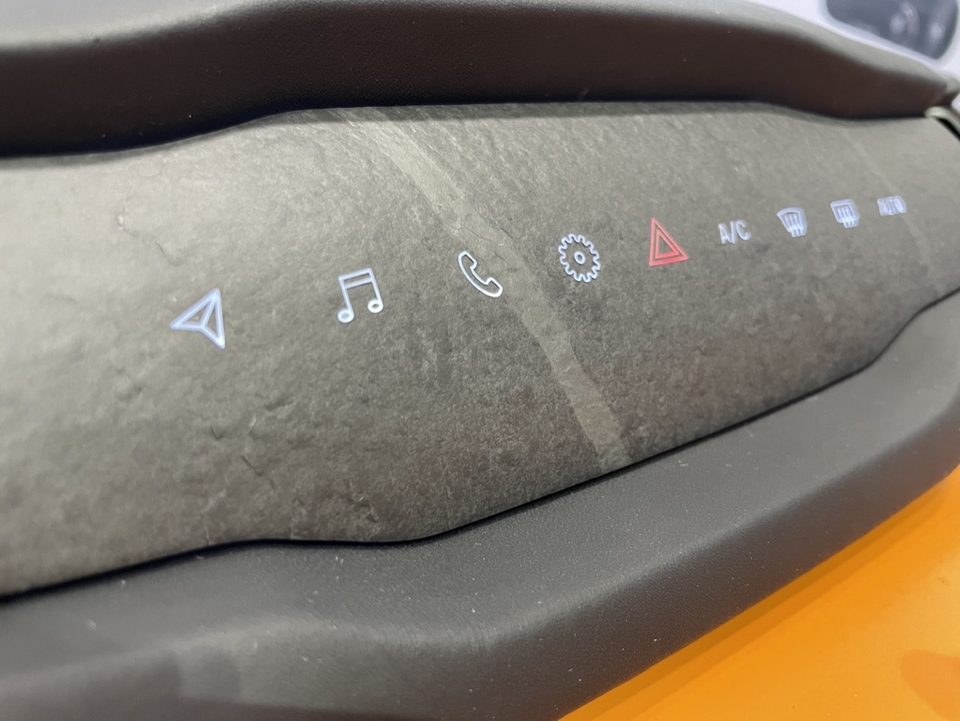
Stone, and the buttons are underneath it.
SILICON
This is the part that earns the right to claim anything above it. Each card says what the chip sensed, what I owned on it, and where you can check.
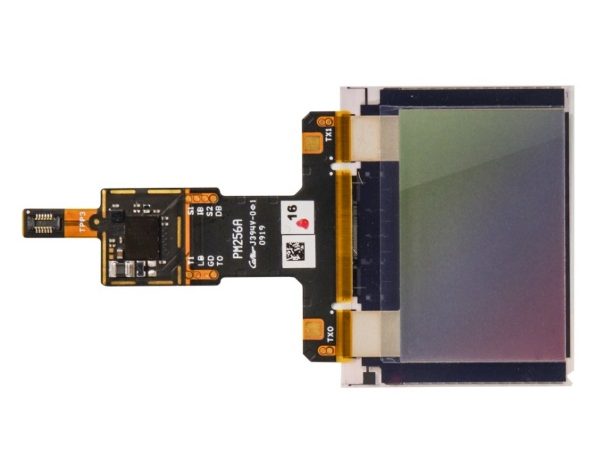
Piezoelectric micromachined ultrasonic transducers built monolithically on CMOS: the sensor, its analog front end, and an MCU on one die. The imaging chain reads a fingerprint through glass and metal by transmit beamforming and pulse-echo timing.
Chip lead, multiple generations · mixed-signal front end, high-voltage pulser, system bring-up
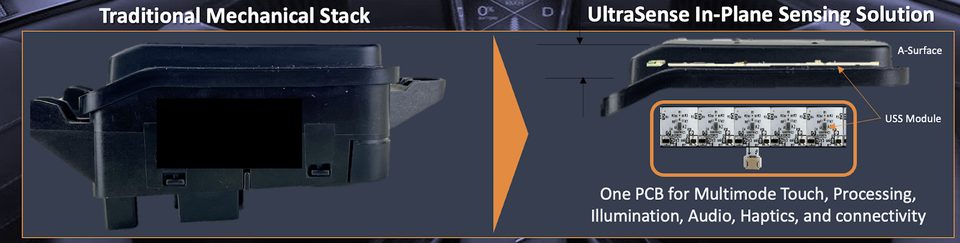
An ultrasound touch and force controller that turns an ordinary surface into a button. Sensor, analog front end, MCU, and the sensor-fusion algorithm all live on one chip, so a button can be placed behind metal with no hole and no moving part.
Chip lead · architecture, mixed-signal front end, high-voltage pulser, on-chip sensing algorithm
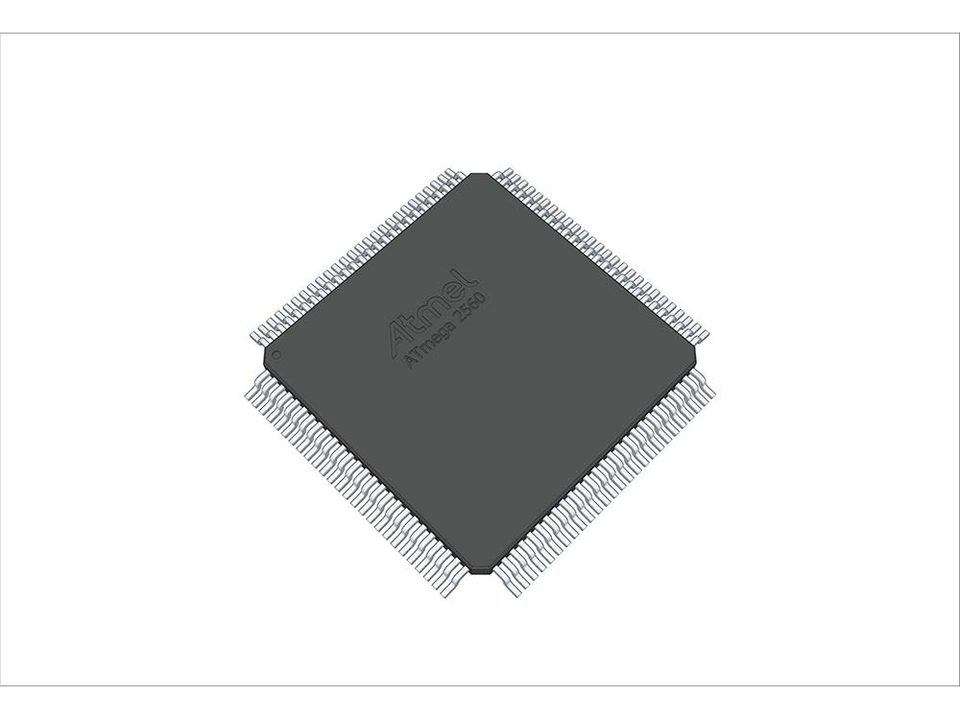
A multi-modal human-machine-interface SoC: capacitive touch, ultrasound touch and slider, and piezoelectric force sensing, fused on-chip. One part replaces the controller, the discrete force front ends, and the glue between them.
Chip lead · architecture, mixed-signal front end, high-voltage drive, sensor fusion
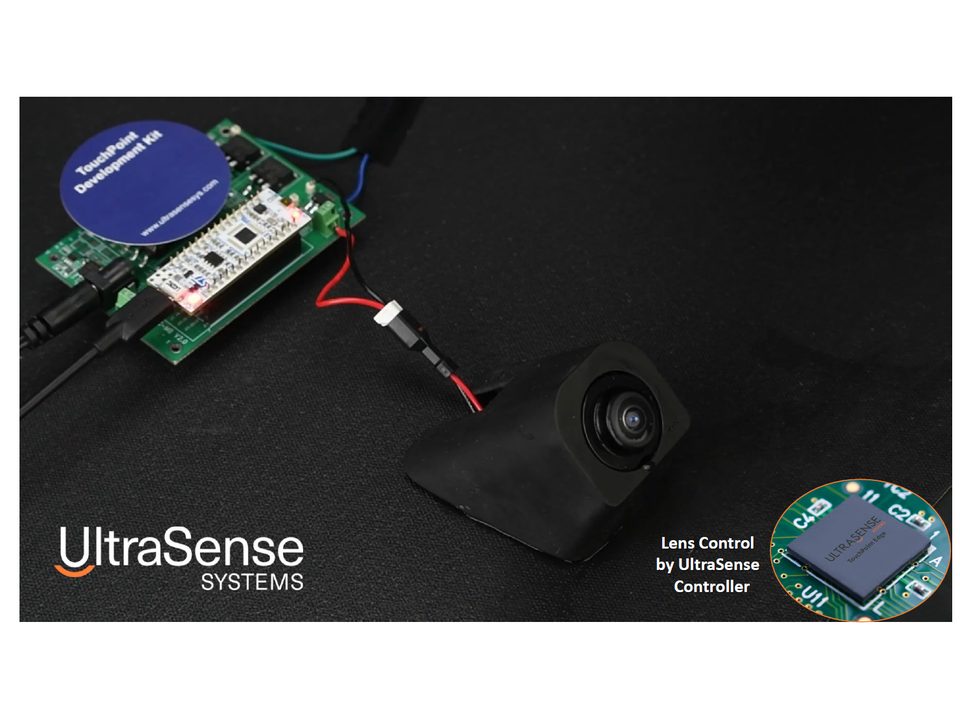
A controller that keeps a camera lens clear by driving it ultrasonically. One chip carries the power conversion from the vehicle battery, the piezo driver, an on-chip Hall-effect current sensor that tracks the transducer's resonance, and the digital control.
Chip lead · architecture, piezo driver, on-chip current sensing
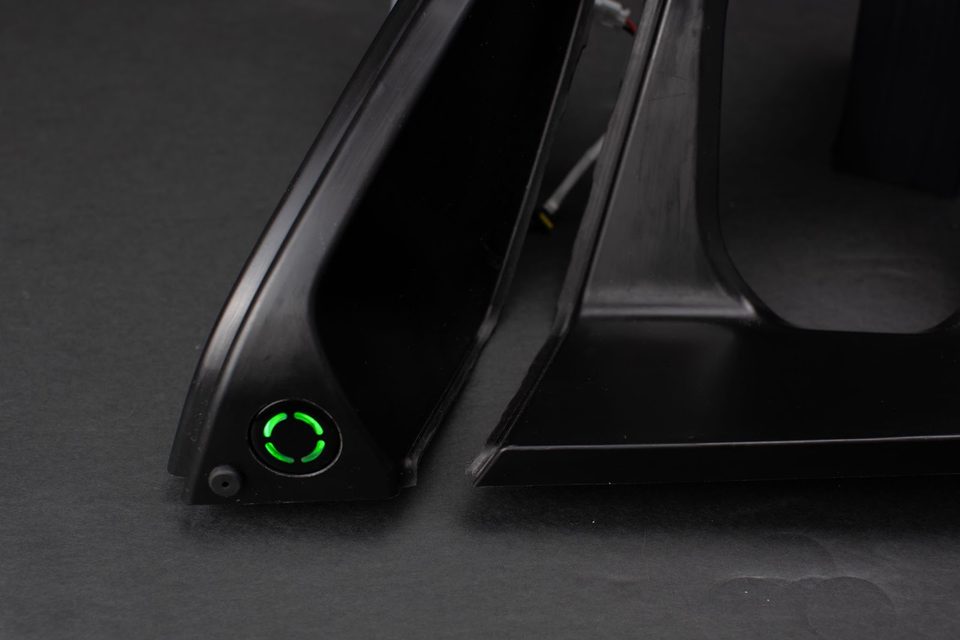
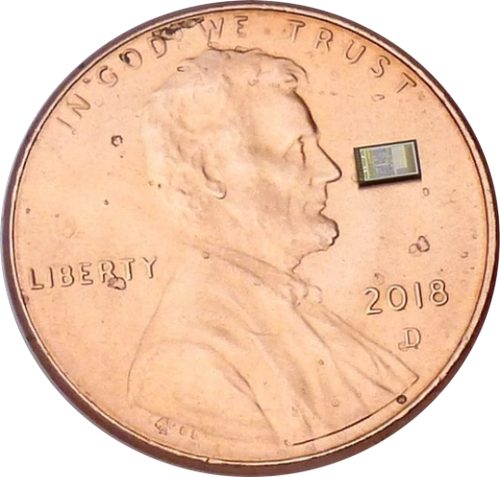
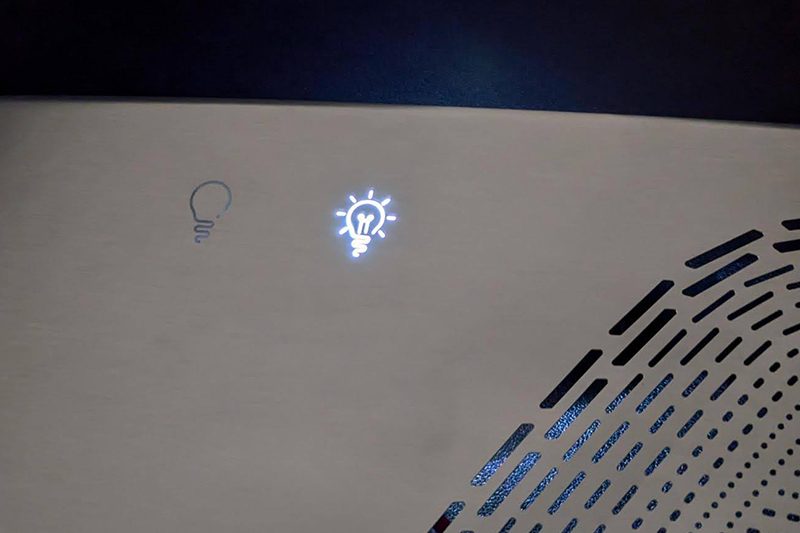
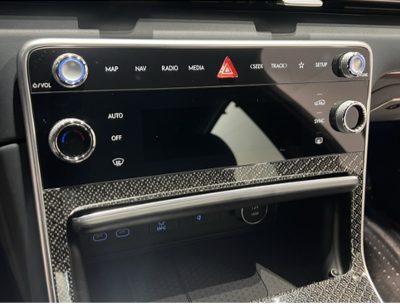
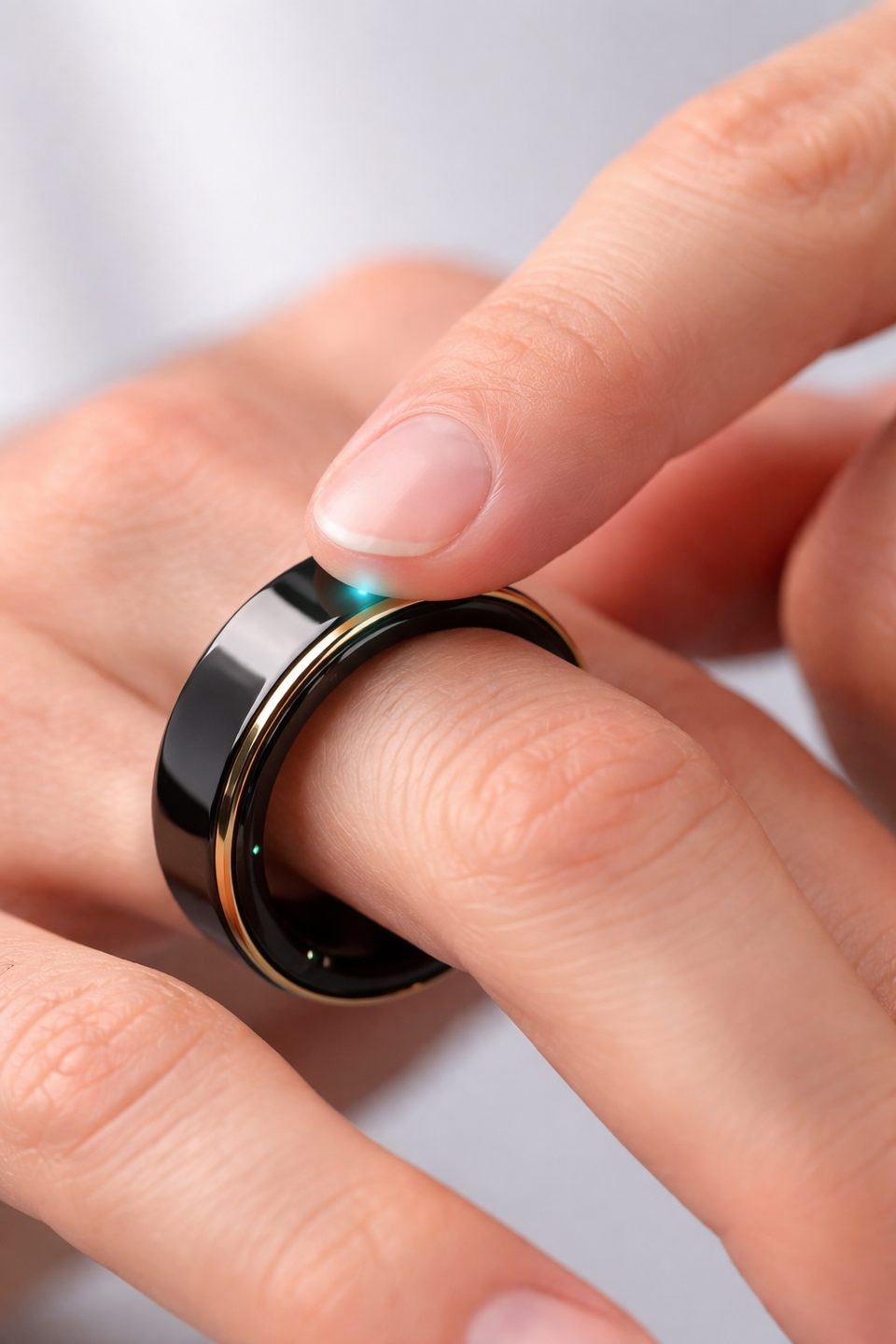

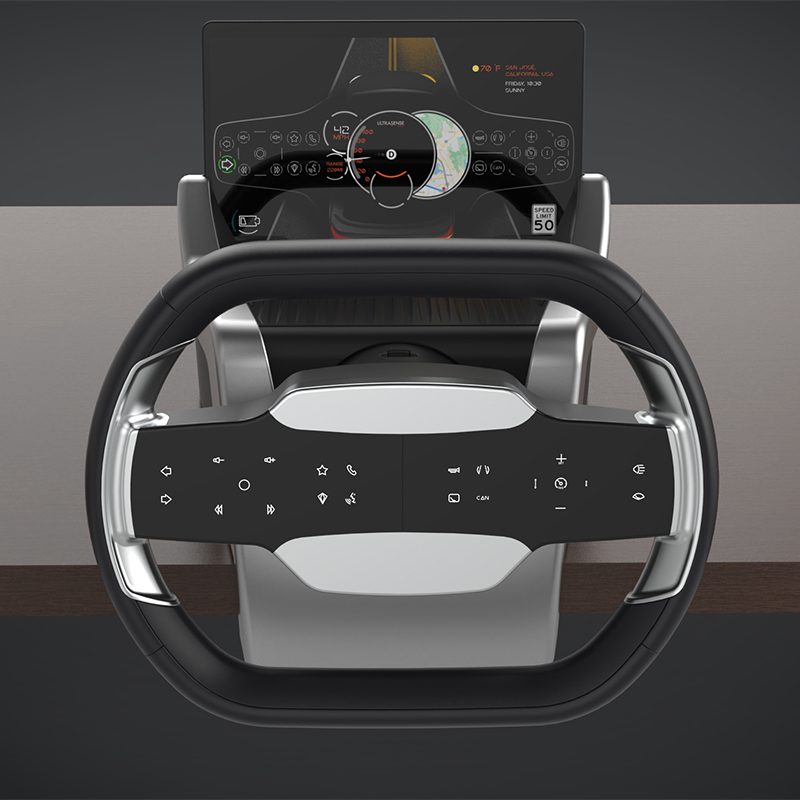
One bar, seven controls, and not a single moving part.
IN PRODUCTION
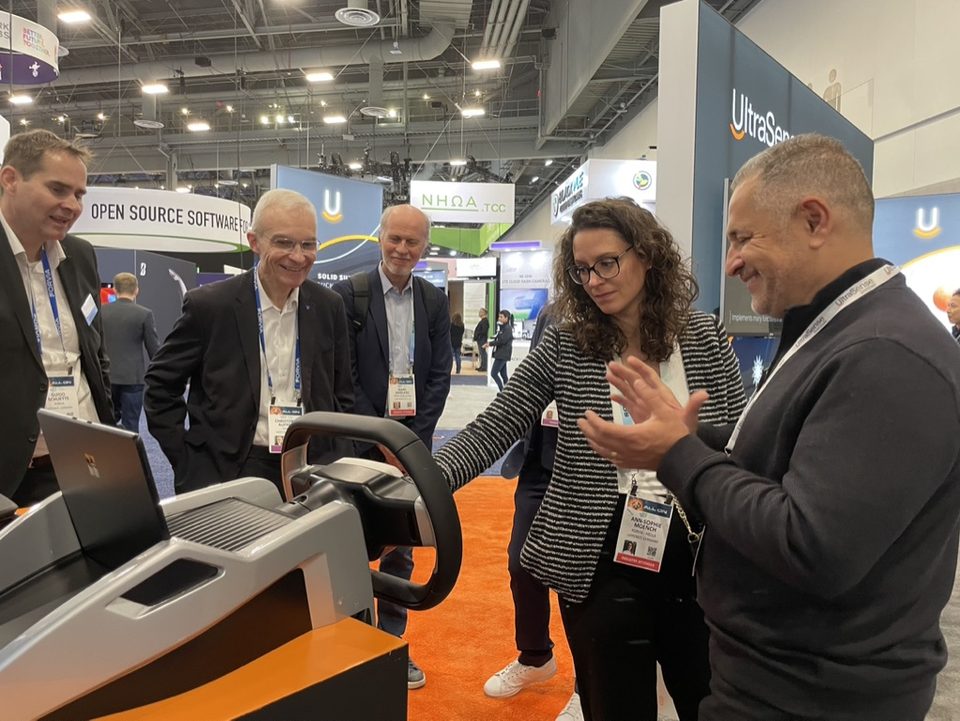
The argument above is only worth as much as what it ships in. Solid-state touch built on this work is in mass production in the centre console of premium passenger cars, where a row of virtual buttons is read straight through an unbroken trim surface.
A virtual button control bar under a continuous console surface. The controls are read as force and touch through the trim, so the fascia carries no holes, no bezels, and no moving parts.
The same control bar, on a full-size SUV platform. One part replaces a row of mechanical switches and the harness that used to serve them.
A production console, and the same control as a part.
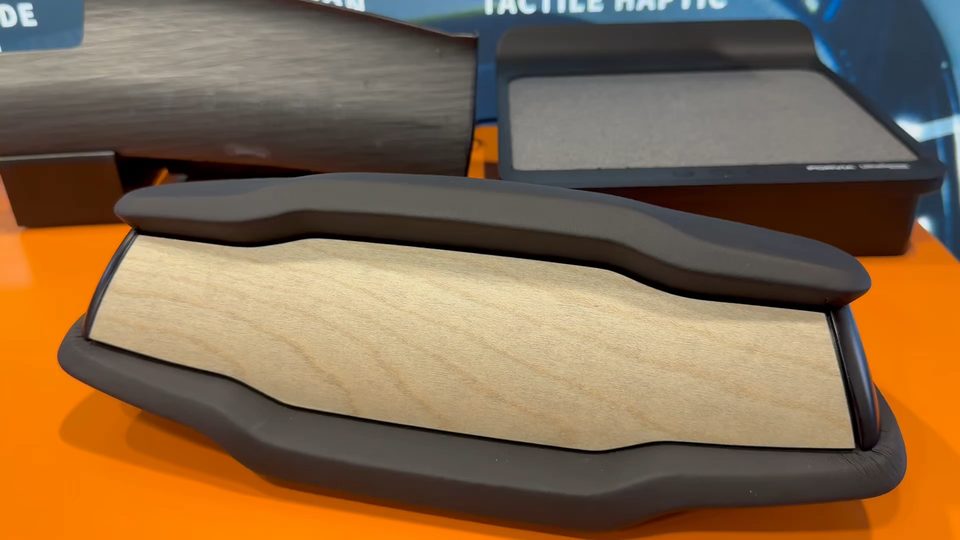
The same control, running.
HOW IT RUNS
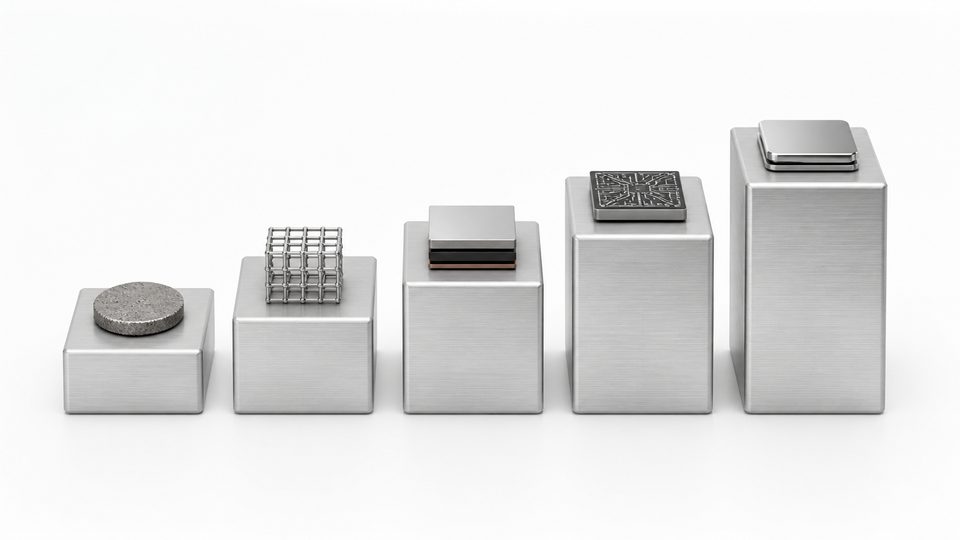
A small team with AI agents doing the repeatable parts. What that changes is not the engineering judgment; it is how much of the work leaves a checkable record behind.
Understand the sensor
The physics, the mechanical environment, and what the product actually has to decide.
01
Architecture and feasibility
Partition, sensing modes, power budget, and the parts of the problem that are genuinely hard.
02
Chip and system design
Silicon, firmware, algorithms, and the board around them, developed together.
03
Bring-up and evidence
First silicon on a bench, with captures and a test plan that another engineer can attack.
04
Production support
Calibration, test, and the long tail of things that only appear at volume.
05
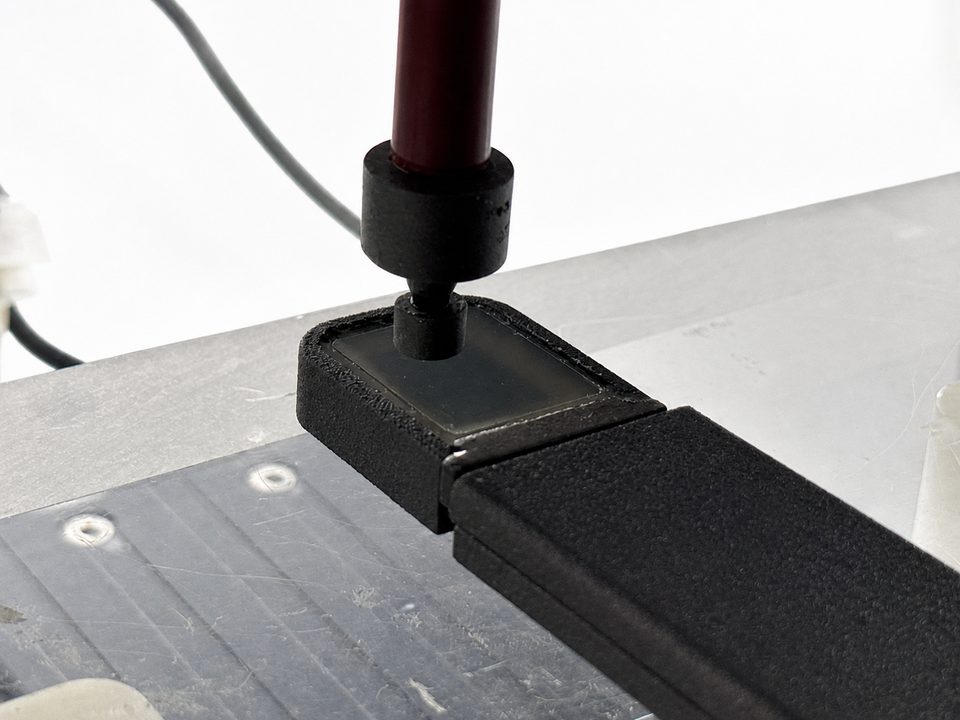
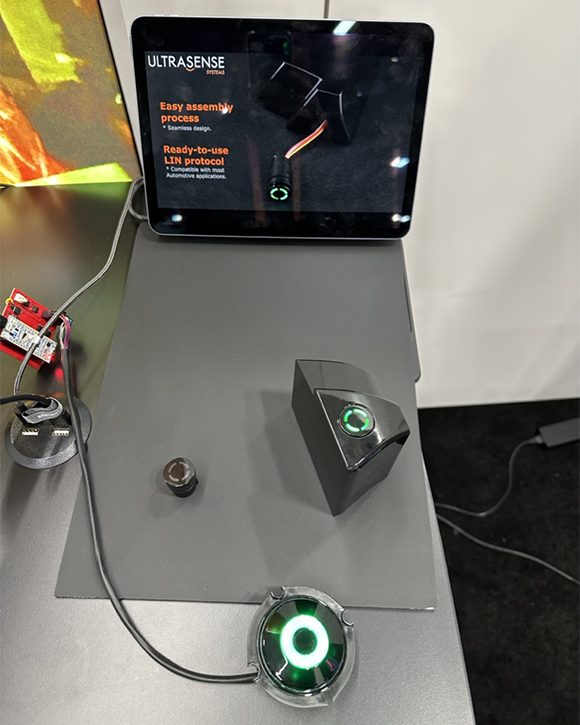
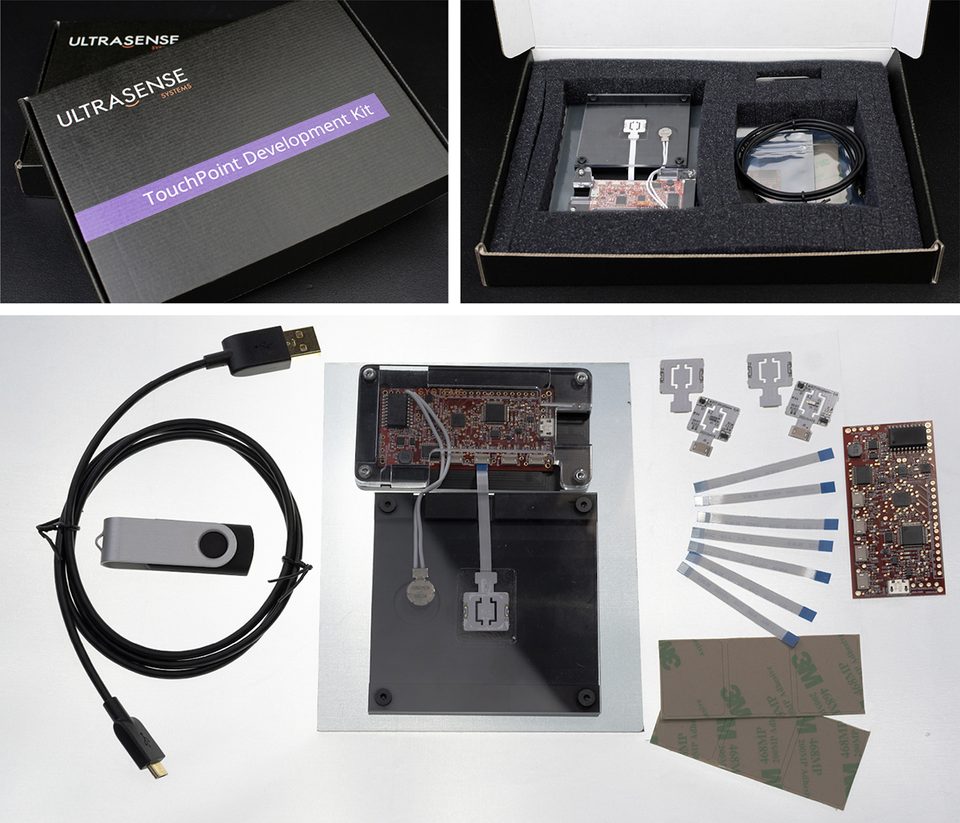
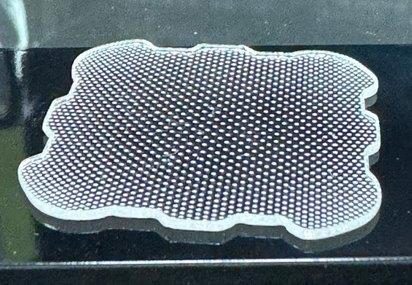
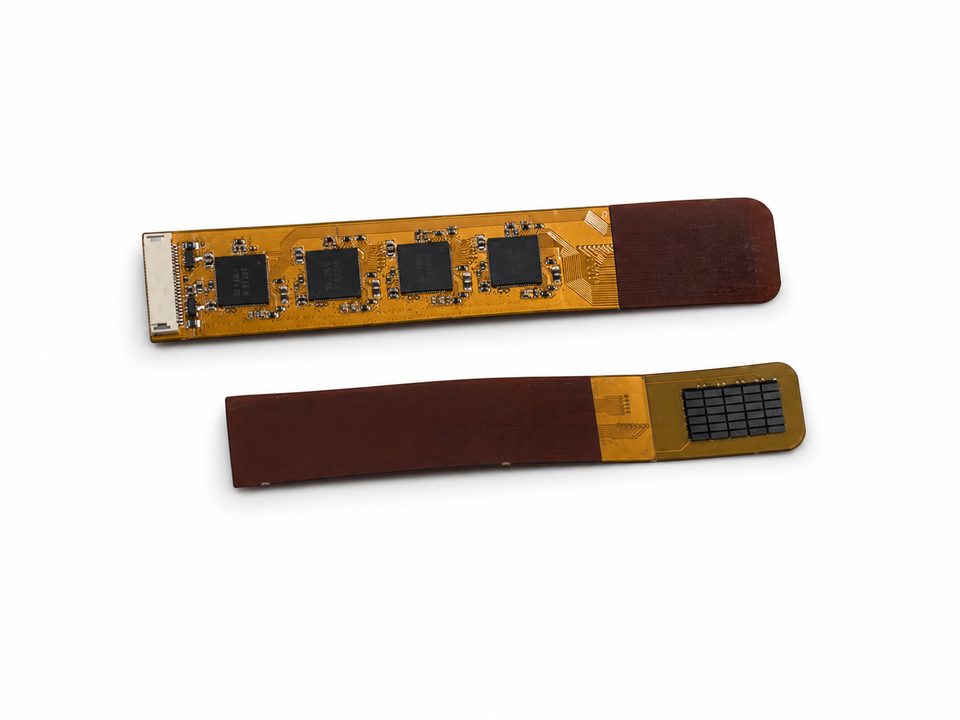
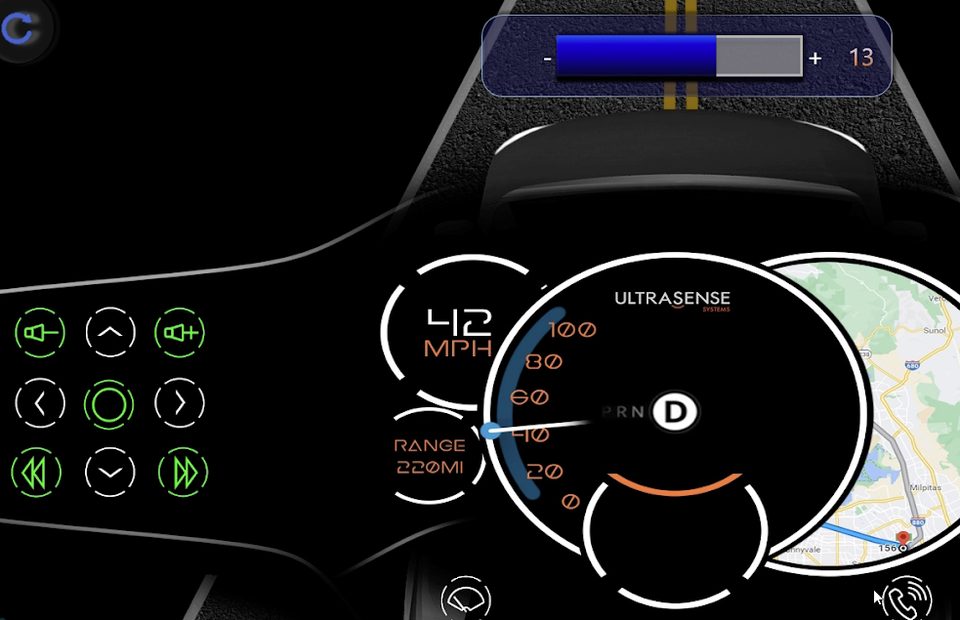
ON THE BENCH
Rigs, boards, and the parts they test.
ABOUT
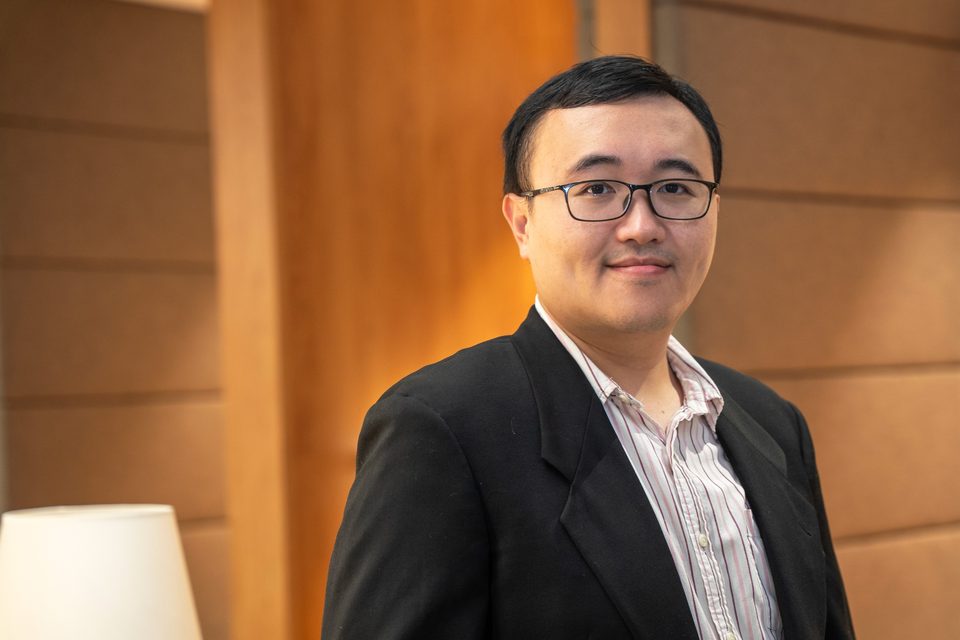
I'm Hao-Yen Tang, co-founder and CTO of UltraSense Systems. I've led the silicon on programs that reached mass production in mobile, IoT, and automotive — ultrasonic fingerprint sensors, rangefinders, and the touch-and-force controllers now shipping in cars. Berkeley PhD under Bernhard Boser, ISSCC best paper in 2016, and about ten years of building sensors that have to work in someone's door handle at minus forty.
CONTACT
Email is the reliable channel. I read LinkedIn messages, eventually.